


A torrential flash flood swept through Nepal’s Rasuwa district near the border of Tibet on August 26 in the morning. Many residents were washed away, while houses, bridges, and other infrastructure were widely damaged. By 9 in the morning, the flash flood raced from the Tibet side into the Bhote Koshi river, causing devastation along its course. Nepal’s energy ministry told the media that the flash flood damaged many hydropower projects. It reported that around 430 MW of electricity supply was affected—one-eighth of the country’s installed capacity. The severity of the flash flood has generated much curiosity regarding its cause. An initial assessment suggests that an ice avalanche blocked the Lhende river, triggering the sudden flood in the Bhote Koshi river. The ice avalanche blocked the Lhende river, creating a lake that ultimately burst. An earthquake also occurred on the Tibetan side around the same time. The situation in Bihar has become concerning following flooding in Nepal and rising water levels in several rivers. The Gandak has been swelling, while the Ganga is flowing close to danger levels at several locations. The developments have raised fears of flooding in lowlying areas, particularly along riverbanks. The Gandak enters Bihar near Valmikinagar, where the Valmikinagar Barrage plays a crucial role in regulating the river. A sustained rise in water levels could increase pressure on surrounding areas. West Champaran, East Champaran, Gopalganj and Siwan are among the districts where low-lying communities face increased risks of flooding and riverbank erosion. Further downstream, the Gandak passes through Saran before joining the Ganga near Hajipur. Consequently, residents in and around Chhapra and other vulnerable areas are also being advised to closely monitor river conditions. The massive flood originated in the Tibetan region of China before sweeping through the transboundary Bhote Koshi River system. The disaster caused widespread destruction downstream, with bodies recovered from riverbanks in Rasuwa, Nuwakot, Dhading, Chitwan, Gorkha, Tanahun, Nawalparasi East and Nawalparasi West. Chitwan accounted for the highest number of recovered bodies. On the other hand, Nepal’s ‘River Man’ Megh Ale has urged shift in development model after deadly floods. He said Nepal must urgently change its development model and reconsider its rapid expansion of hydropower projects in the face of a worsening climate crisis, conservationist and social entrepreneur. Ale, widely known as Nepal’s “River Man”, said that the country’s lawmakers must move away from what he described as a pursuit of “hydrodollars” and place greater emphasis on protecting rivers and adapting development to changing climatic conditions. Change the development model. Don’t think of hydrodollars. Also, India must not encourage our business people and government to build all those dams. Ale explained that scientific investigations are ongoing to determine the specific triggers of the ice and rock collapse high in the mountains. In terms of why that rock fell, scientists are yet to figure it out. Obviously, this is ice-rock from the mountain, and researchers are determining whether a glacial lake was involved. It is both a manmade and natural disaster. When the two combined, the impact became huge, triggering a disaster of this scale. A series of under-construction dams exacerbated the catastrophe. As the flood hit, the destruction of all those infrastructures caused an even bigger problem as debris began floating downstream. Once the flood struck, the destruction of these structures created additional debris and intensified the downstream impact as infrastructure and materials were swept away. The conservationist linked the latest disaster to a series of extreme events witnessed across the Himalayan region over the past decade. The rivers of the Hindu Kush Himalayas are the lifeline of over 1.5 billion people. All nations in this region really need to wake up and act before it is too late, and in many ways. Nepal, which has about 6,000 rivers and rivulets, needs to respect the natural behaviour of its waterways while developing infrastructure. Disaster preparedness must be accompanied by a fundamental rethink of how development projects are planned and constructed. Nepal should adapt its development policies to current environmental conditions rather than continuing with projects without adequately accounting for increasing climate risks. There is need of greater responsibility from India, given the importance of Nepal’s rivers to the wider Ganges basin. A substantial share of the water flowing into the Ganges originates in Nepal and argued that India therefore has a responsibility to support river conservation and management.
Nature’s Fury in Nepal: Actionable Points
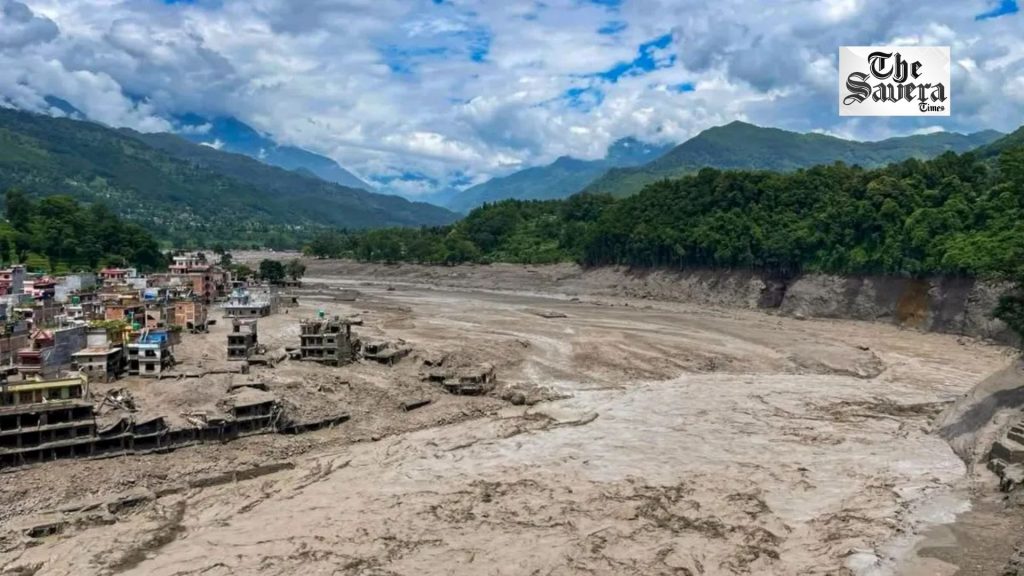
Nepal Flash Floods Leave 160 Dead, Over 750 Missing, Including 133 Indians