


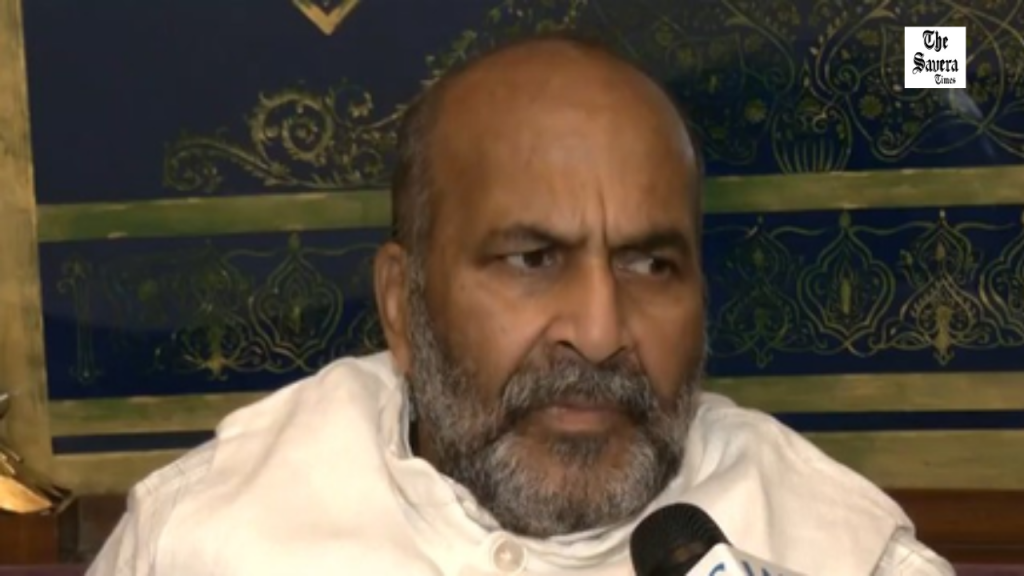
New Delhi, Dec 13: A leader from a National Democratic Alliance (NDA) partner party has publicly expressed concern over what he termed as a discriminatory attitude towards the Muslim community in India. The leader emphasized that Muslims are being wronged, and such practices are not justified in a democratic and pluralistic society.
The statement comes amid ongoing debates about social and economic inclusion of minority communities and reflects intra-alliance discussions on ensuring that policies do not marginalize any section of society.
Criticism of Discriminatory Practices
The NDA ally leader highlighted instances of perceived unequal treatment in social, political, and economic spheres, urging that all communities must be treated fairly and equitably.
He argued that policies or actions that single out communities based on religion are inconsistent with constitutional guarantees and democratic norms. The remarks also implied the need for corrective measures to prevent alienation of minority groups.
Call for Inclusive Governance
The leader called for inclusive governance that addresses the concerns of all citizens, including Muslims, and promotes equal opportunities in employment, education, and public services. He stressed that maintaining communal harmony and public trust requires fair treatment of all communities.
Political analysts note that such statements from NDA allies can influence the policy direction of the ruling coalition and signal growing awareness about minority rights within political partnerships.
Political Implications Within NDA
The comments have triggered discussions among political circles and coalition partners, reflecting the sensitivity around minority issues in Indian politics. Observers suggest that such public criticism from an NDA ally could push the ruling coalition to re-evaluate or communicate policies more clearly to prevent perceptions of discrimination.
The statement also comes at a time when social and communal issues are increasingly shaping electoral narratives, making minority welfare a key area of political scrutiny.
Broader Context of Minority Welfare in India
India’s constitutional framework guarantees equal rights to all citizens, and leaders from various parties often debate how best to implement policies that promote social justice while respecting cultural diversity. Statements like these underline ongoing concerns about discrimination and the need for inclusive development strategies.
Analysts say such remarks by coalition partners may also influence policy messaging ahead of upcoming elections, signaling the importance of minority engagement in national politics.