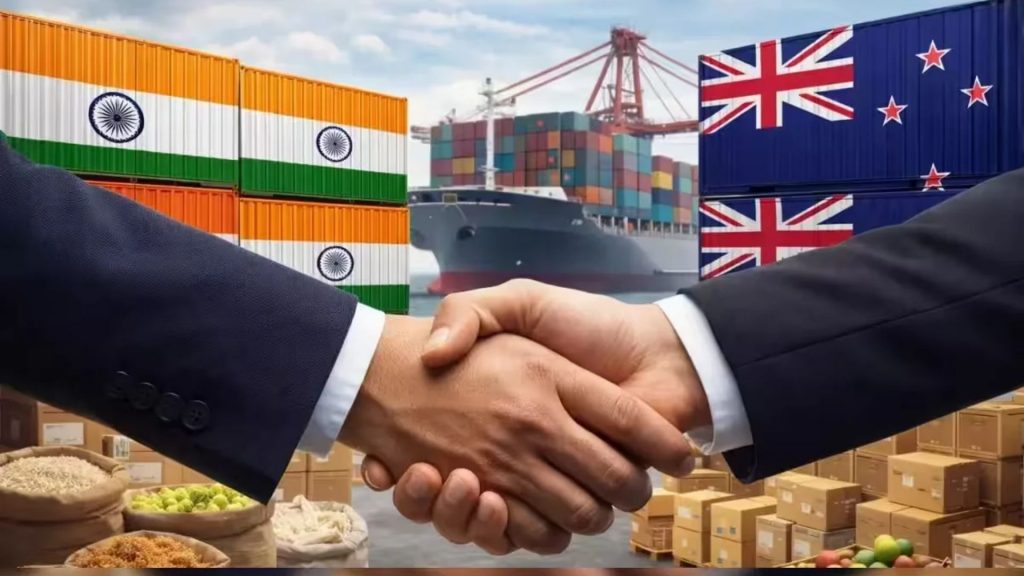
India and New Zealand are entering a new phase of bilateral engagement, moving beyond traditional diplomatic friendship towards a comprehensive partnership anchored in trade, investment, technology, agriculture and strategic cooperation. The India–New Zealand Free Trade Agreement (FTA) marks a significant milestone in this journey, creating fresh opportunities for businesses, farmers, micro, small and medium-sized enterprises (MSMEs), entrepreneurs and young professionals in both countries. The agreement’s importance extends well beyond tariff reductions. It provides a framework to expand market access, strengthen supply chains, facilitate investment, promote skills and technology exchange, and build stronger commercial relations between two economies with complementary strengths. The broader Strategic Partnership, reinforced by the ‘Roadmap to 2030,’ gives this economic engagement a longer-term direction. Together, the FTA and the accompanying cooperation initiatives can help India and New Zealand build a more diversified, resilient and mutually beneficial relationship. One of the FTA’s most significant features is New Zealand’s immediate zero-duty access for Indian exports across all 8,284 product lines. This offers Indian exporters an important opportunity to improve price competitiveness, diversify overseas markets and strengthen their presence in a developed economy. Labour-intensive and manufacturing-oriented sectors are particularly well placed to benefit. Pharmaceuticals, textiles, engineering goods, machinery, gems and jewellery, sports goods, footwear and leather products are among the sectors identified as having substantial export potential. These industries can leverage improved market access to expand production, attract new orders, and strengthen distribution networks. MSMEs, artisans and women entrepreneurs stand to benefit from the agreement’s expanded market opportunities. Smaller businesses often struggle to access international markets because of high transaction costs, limited market information, and difficulties in establishing overseas commercial relationships.
New Advantage in India, New Zealand FTA