


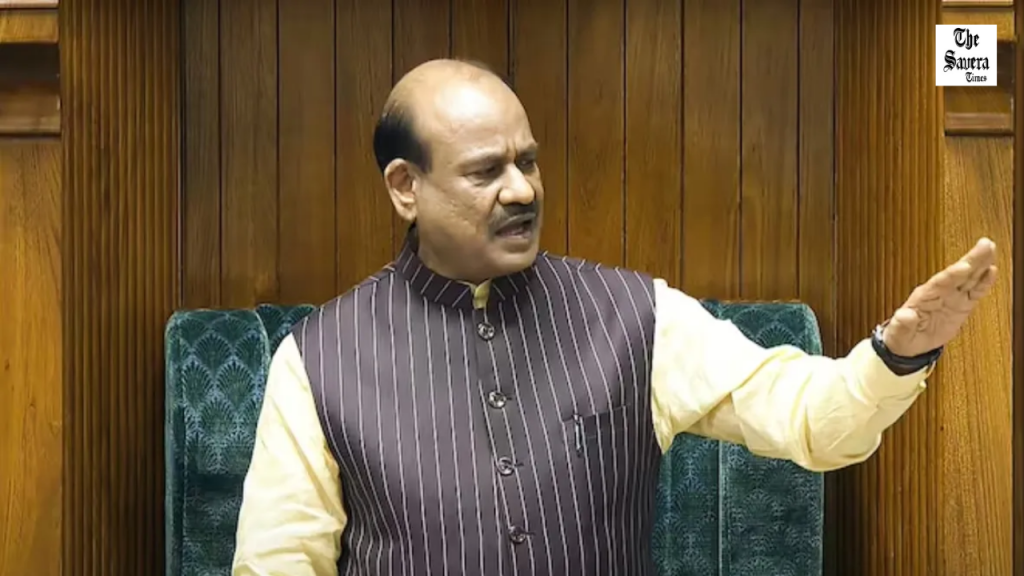
The Opposition in Parliament is preparing to submit a no-confidence motion against Lok Sabha Speaker Om Birla, according to multiple sources. This development has intensified the political standoff in the Lok Sabha as the ongoing Budget Session continues to be marred by disruptions and procedural gridlock.
Leader of the Opposition and INDIA bloc parties are reported to be coordinating the move amid rising tensions over parliamentary conduct and the Speaker’s handling of House proceedings.
Disruptions in House Proceedings
The Lok Sabha has witnessed repeated disruptions since the Budget Session began, with members from several opposition parties staging protests and raising slogans on the floor of the House. These disturbances have forced the Speaker to adjourn proceedings multiple times during the day, including a midday break to allow for consultations.
According to sources, the Opposition’s frustration stems from what they describe as a “lack of fair hearing” and alleged partiality in handling issues raised by opposition MPs, although the Speaker’s office has denied any bias.
Opposition’s Grievances and Parliamentary Friction
Opposition leaders are said to be unhappy with the way Lok Sabha proceedings have been conducted, including restrictions on debates and the handling of notices put forward by opposition members. The friction between the Speaker and opposition benches has been cited as a key reason behind the decision to pursue a formal motion.
Earlier in the session, opposition MPs also clashed with Security marshals and staged walkouts during key discussions, further escalating tensions within the House.
What Is a No Confidence Motion?
A no confidence motion is a formal motion moved in the Lok Sabha by members who believe that the Speaker or an office-bearer no longer enjoys the confidence of the House. If admitted and adopted, it can lead to serious consequences for the officeholder’s position, often triggering procedural review and debate in the House.
Historically, such motions against Speakers are rare and signify deep political disagreements on parliamentary conduct and fairness.
Political Implications and Reactions
Political analysts say that bringing a no-confidence motion against the Speaker is an unusual step, reflecting the deteriorating relationship between the ruling party and the Opposition over the conduct of the Lok Sabha. Some leaders argue that such a motion underscores deeper frustration with the Speaker’s decisions on priority issues, including time allocation for debates and procedural rulings.
The ruling side, however, has defended the Speaker’s role, describing the move as a political strategy rather than a substantive challenge to parliamentary norms.