


-Abhishek Vij
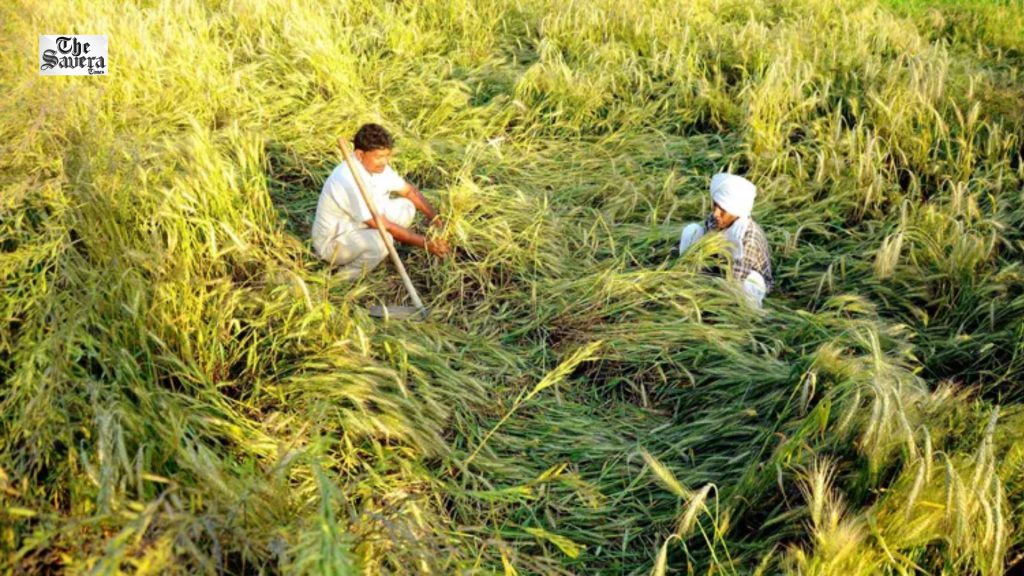
The crop cycle that has been prevalent in our country’s agriculture for centuries is the rice and wheat crop cycle, which is called the Rabi and Kharif crop seasons. Agricultural experts repeatedly state that abandoning the traditional crop cycle is essential if the condition of India’s poor farmers is to be improved and India is to be moved out of the cycle of subsistence farming and toward commercial agriculture. Experts say that Indian agriculture should be diversified, including processing in rural areas through cottage industries. Only if a significant portion of this is made exportoriented will the conditions of agriculture and farming improve. The government has also established a procurement system for farmers’ economic security, whereby the government announces minimum purchase prices for paddy, wheat, and other crops, and government procurement agencies purchase large quantities of the crop at this price, with paddy and wheat being the most important. This priority should remain, as the government has established a policy of distributing cheap food grains to the country’s 800 million people. Therefore, every year, it has to purchase these two crops on a large scale, with paddy being the most important. Whenever a climatic disaster strikes India’s farmlands, this situation worsens, inflation rises sharply in the markets, and everyone from farmers to the common man suffers greatly. Unfortunately, this year is also the same. The month of September is passing, and the monsoon has begun to retreat from the country. This year, it was a weak one. Due to this, the area under our main crop paddy decreased by 3.73 percent. If we look at the condition of rain, this time there has been a decrease of 3 to 59 percent of rainfall in 320 districts of the country including Punjab. But adding insult to injury, this year the area of paddy cultivation decreased due to less rainfall and now due to the impact of El Nino, the risk of the yield per hectare being affected due to lack of moisture at the time of crop preparation has increased. El Nino can pose a challenge in the coming months as well. Hence the bad days of the country’s agriculture and farmers can also increase. Last year there was a record production of 15.4 crore tonnes of rice in the country. This time the estimates show that there will be a decrease of 1 crore tonnes. How will this decrease be met? In the last ten years, there has never been a decline of a full 10 million tons. The direct impact of this will be that less rice will be available in the market, and prices will rise. Our exported Basmati rice will also become more expensive. The government can offer reassurance that it will not allow the price of rice to rise because it has a buffer stock. The government also releases data showing that as of September, the total government reserves held by the states were approximately 59.6 million tons, which is far more than required. Therefore, even if domestic supply decreases or exports suffer, the government will not allow the markets to change. However, it is undeniable that of the approximately 15 percent average rainfall deficit, this decrease in rice-producing areas was 42 percent. Now, starting September 19th, the monsoon began retreating from western Rajasthan. Thus, the impact on rice production has become a reality.