


A tribal jirga held in Peshawar has urged the governments of Pakistan and Afghanistan to immediately halt ongoing border clashes and resolve their differences through dialogue. The appeal comes amid escalating violence along the Durand Line, which has resulted in casualties and displacement on both sides.
Participants in the jirga, including tribal elders, political leaders, and civil society representatives, emphasized that continued hostilities are harming civilians and destabilizing the region.
Strong push for dialogue and diplomacy
The jirga unanimously stressed that disputes between the two neighboring countries should be resolved through peaceful negotiations rather than military action. It highlighted that “war is not a solution” and called for diplomacy to be made the top priority in bilateral relations.
Leaders at the gathering also urged both nations to ensure that their territories are not used against each other, a key point of contention in the ongoing conflict.
Call for immediate ceasefire
A major demand of the jirga was the implementation of an immediate ceasefire to reduce tensions. Members said that extending ceasefire efforts could create a conducive environment for long-term peace and stability.
They also recommended reopening border crossings and restoring normal trade and movement, which have been severely affected by recent clashes.
Rising tensions along the border
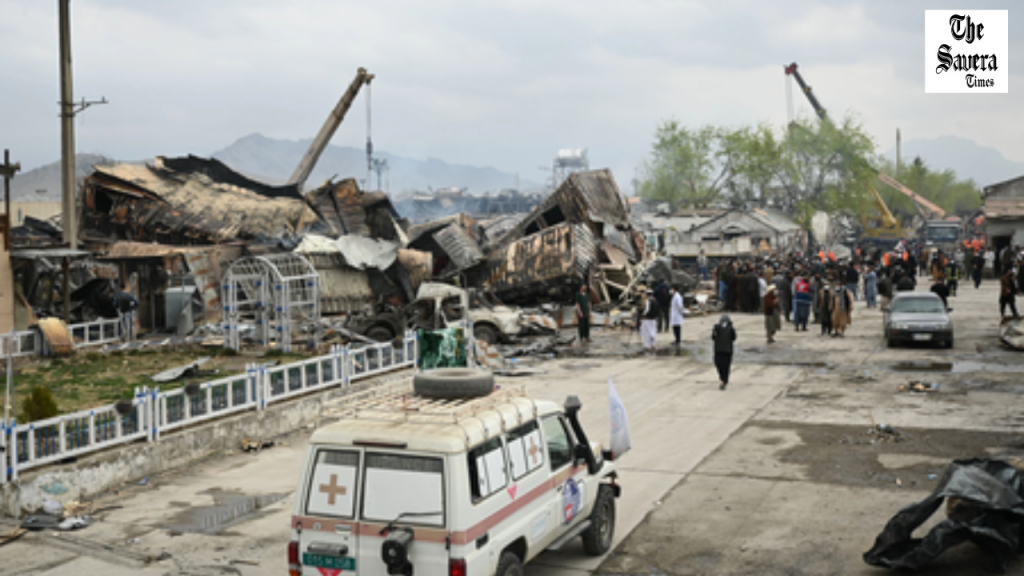
The appeal comes at a time when relations between Pakistan and Afghanistan have sharply deteriorated. In recent weeks, both sides have engaged in heavy cross-border firing, including artillery exchanges that have caused civilian casualties.
The violence follows the breakdown of a temporary ceasefire observed during Eid, after which hostilities resumed, raising concerns of a prolonged conflict.
Root causes of the conflict
The tensions are rooted in longstanding disputes over the border and mutual accusations of harboring militant groups. Pakistan has repeatedly accused Afghanistan of providing safe haven to militants, including the Tehreek-e-Taliban Pakistan (TTP), while Kabul denies these allegations.
These disagreements, combined with the disputed Durand Line, have contributed to recurring clashes and strained diplomatic relations over the years.
Regional peace at stake
The jirga warned that continued escalation could have serious consequences not only for Pakistan and Afghanistan but for the broader region. The ongoing conflict has already disrupted trade, displaced families, and increased humanitarian concerns.
Participants also called on Afghan tribal elders to hold a similar jirga on their side to build pressure for peace and encourage dialogue between the two governments.
Hope for de-escalation
Despite the rising tensions, the jirga expressed hope that both nations would heed the call for peace and prioritize dialogue over confrontation. It emphasized that mutual respect, cooperation, and sustained communication are essential for achieving lasting stability.
The initiative reflects growing grassroots pressure from border communities and tribal leaders who are directly affected by the conflict and are seeking an end to violence through peaceful means.