


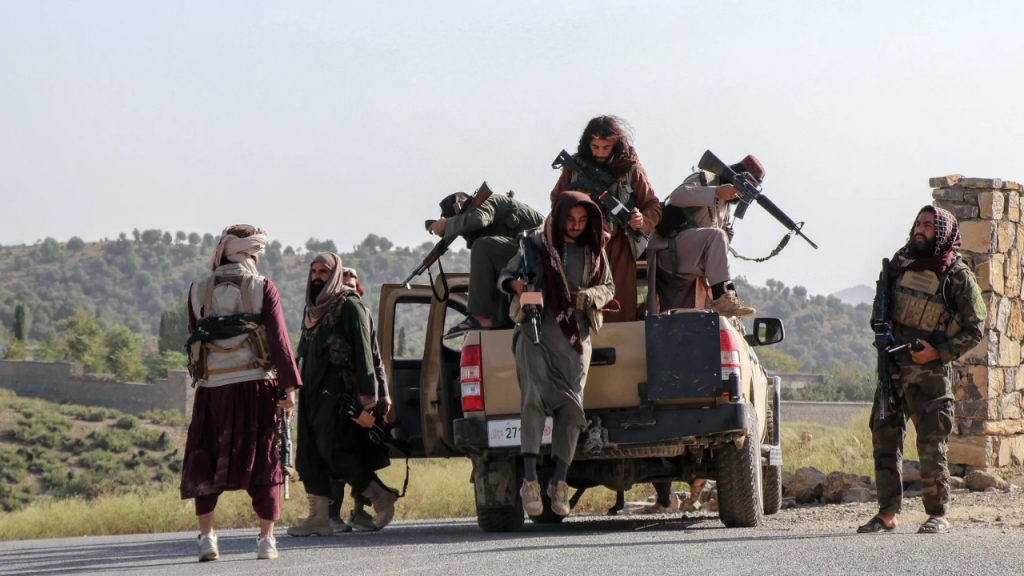
Pakistan: Tensions between Pakistan and the Taliban administration in Afghanistan have escalated sharply, resulting in deadly border clashes that have claimed more than 50 lives, including civilians, Pakistani soldiers, and Afghan Taliban fighters.
In a bid to de-escalate the crisis, both sides have agreed to a 48-hour ceasefire, effective from 6:00 p.m. Pakistan Standard Time (1300 GMT) on Wednesday, following intense diplomatic exchanges.
Announcing the truce, Pakistan’s Foreign Ministry said the move aims to “prevent further bloodshed” and create space for dialogue on what it described as a “complex yet resolvable issue.” Both governments have pledged to make “sincere efforts” to pursue a peaceful settlement.
Third Major Clash in a Week
The border skirmishes — the third major confrontation in a week — erupted late Tuesday and continued into Wednesday along multiple frontier points.
According to reports, the escalation followed an alleged Pakistani-linked attack in Kabul, after which Afghan forces retaliated across the border. In response, Pakistan carried out airstrikes targeting Taliban positions in Kandahar and near Kabul.
Afghan media claimed Pakistani fighter jets struck civilian areas in Taimani and Spin Boldak, causing widespread damage. Footage circulating online showed buildings engulfed in flames and plumes of smoke rising over Kabul.
Drone and Airstrikes Deepen Crisis
In retaliation, Afghan Taliban forces reportedly launched drone strikes inside Pakistan, targeting an alleged intelligence-linked facility in Peshawar. Videos shared on social media appeared to show explosions near military installations, heightening fears of further escalation.
Pakistan’s military, through its media wing ISPR, said its strikes were “retaliatory” following unprovoked aggression from Afghan forces. Pakistani outlets claimed that key Taliban units — including the 4th Battalion and 6th Border Brigade — were destroyed, killing several militants and foreign fighters.
The Taliban rejected these claims, while stating that 12 civilians were killed and over 100 injured in the Pakistani strikes, prompting the deployment of Afghan tanks to the border.
Reports also suggest both countries captured each other’s border posts during the fighting. Videos online appeared to show Afghan drones dropping explosives on Pakistani military positions in Khyber Pakhtunkhwa, with visuals of damaged tanks and abandoned posts fueling public outrage on both sides.
TTP Resurgence Adds to Regional Volatility
The clashes come amid renewed concerns over the resurgence of Tehrik-e-Taliban Pakistan (TTP), a militant network with known ties to Afghanistan. Two factions — led by Mufti Abdur Rehman (Kurram) and Commander Sher Khan (Tirah Valley) — recently announced a merger, sparking fresh security fears in Pakistan.
Formed in 2007 by Baitullah Mehsud, the TTP united 13 militant groups, many of which fled into Pakistan’s tribal areas after the 2001 U.S. invasion of Afghanistan. The group has since conducted numerous attacks on Pakistani military and state institutions, maintaining cross-border networks and influence.
Ceasefire Holds — But Fragile
As the 48-hour ceasefire takes effect, the international community is closely monitoring whether it can serve as a stepping stone toward sustained dialogue.
However, analysts warn that with non-state actors like the TTP in play and deep mistrust between Islamabad and Kabul, the situation remains highly volatile and prone to renewed violence.