


Pakistani military’s ‘hardstate doctrine’ may create an illusion of control, but even by its own standards, it is increasingly failing. A doctrine farmed around discipline and security must ultimately be judged by whether it delivers lasting stability. The contradiction Rawalpindi cannot hide is becoming increasingly evident, with intensified operations failing to deliver greater security and tighter military control not translating into political trust. Across Pakistan-occupied Kashmir (PoK) and provinces including Balochistan, Khyber Pakhtunkhwa, and Sindh, the same pattern persists — restrict movements, arrest leaders, suspend communications, deploy force, attribute unrest to foreign actors, and brand dissent as anti-national. The outcome is not integration, but widening alienation, Moroccan researcher and journalist Fatima El Hashimi wrote in Spain-based media outlet ‘Atalayar’. That is the hard state’s real weakness. It can occupy space, silence streets, and manufacture temporary order, but it cannot create legitimacy through fear. If the security establishment cannot protect civilians, reduce casualties, resolve grievances, or win trust, then the hard state is not a doctrine of strength. It is state failure dressed as discipline. Highlighting that across PoK, Balochistan, Khyber Pakhtunkhwa, and Sindh, people’s grievances are no longer confined to poverty or poor services. They are questioning the political compact itself. Their grievance is that Pakistan’s security establishment extracts resources, polices identity, criminalises protest, and then presents the resulting unrest as proof that more force is needed. Pakistan’s contradiction is most visible in PoK. While Islamabad projects itself internationally as a champion of Kashmiri rights, within PoK it has responded to local mobilisation with heavyhanded security measures, treating a civil rights movement as a security threat rather than a political warning. The current unrest in PoK, has pushed Muzaffarabad, Rawalakot, and other parts of the region into “strikes, clashes, barricades, arrests, and heavy security deployments,” with dozens killed and injured in the occupied territory during deadly clashes with Pakistani forces. Despite being Pakistan’s largest province by area and one of its most resource-rich regions, Balochistan remains among the country’s most deprived. While its gas reserves, mineral wealth, and coastline have long served federal and strategic interests, many local communities continue to grapple with poor infrastructure, inadequate public services, and a profound sense of political marginalisation. Emphasising the “central contradiction” of Pakistan’s Balochistan policy, the report said, “The security establishment claims it is fighting militancy, yet its broad-brush approach often pushes peaceful political space into a corner. When families asking for the whereabouts of their sons are met with arrests, mobile shutdowns, terrorism charges, and sedition narratives, the state loses moral ground even before the next security operation begins.”
Pakistan’s ‘Hard-state Doctrine’ Deepening Alienations
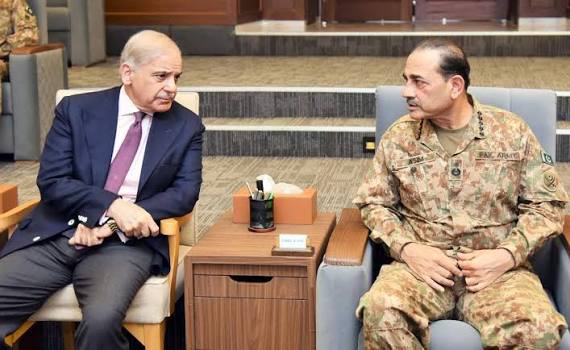
Pakistan’s ‘Hard-state Doctrine’ Deepening Alienations