


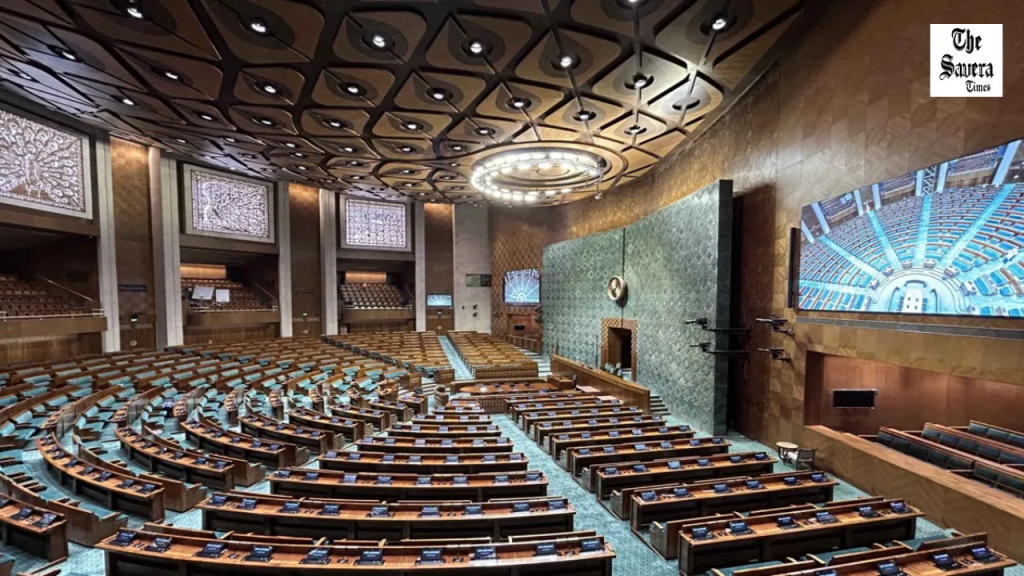
The second phase of India’s Parliament Budget Session 2026 resumed on Monday with a politically charged agenda. The session is expected to witness intense debates as the government prepares to brief lawmakers on the escalating crisis in West Asia while the Opposition pushes a resolution seeking the removal of Lok Sabha Speaker Om Birla.
The day’s proceedings are significant because they combine domestic political confrontation with major international developments that could impact India’s economy, energy security, and diplomatic relations.
Jaishankar to brief Lok Sabha on West Asia crisis
External Affairs Minister S. Jaishankar is scheduled to make a statement in the Lok Sabha on the rapidly evolving situation in West Asia. The briefing comes as tensions in the region continue to escalate due to the ongoing conflict involving Iran, Israel, and the United States.
The government is expected to explain India’s diplomatic stance, discuss the implications for global stability, and outline measures taken to protect Indian citizens living in Gulf countries.
Officials say the briefing will also address concerns related to energy security, trade routes, and the safety of Indian expatriates, as the conflict has already disrupted global oil markets and raised geopolitical tensions.
Opposition demands full debate in Parliament
Opposition parties have demanded a full-fledged debate in Parliament on the West Asia crisis rather than just a ministerial statement. Leaders from the Congress and other parties argue that the situation could have serious implications for India’s foreign policy and economic interests.
Congress MPs have submitted notices in both Houses seeking suspension of normal business to allow an urgent discussion on the matter. They say Parliament should thoroughly examine how the conflict may affect India’s oil imports, strategic partnerships, and overseas workforce.
No-confidence motion against Speaker Om Birla
Another major issue expected to dominate the session is the Opposition’s resolution seeking the removal of Lok Sabha Speaker Om Birla. The motion has reportedly been signed by more than 100 MPs who accuse the Speaker of conducting House proceedings in a partisan manner.
Opposition leaders claim the Speaker denied fair opportunities to certain members to raise issues in the House, including discussions involving key political matters.
The government, however, has strongly criticised the move, with parliamentary affairs leaders accusing the Opposition of undermining constitutional institutions and disrupting parliamentary functioning.
The debate on this resolution is expected to be one of the most contentious moments of the current session.
Key legislative agenda in the session
Apart from the political disputes, the second half of the Budget Session is scheduled to address several important legislative and financial matters. The government aims to pass key bills and continue discussions on the Union Budget for the financial year 2026-27.
The session, which began in January with the President’s address to Parliament, will continue until April 2, with around 30 sittings planned over 65 days.
Important policy issues such as economic reforms, foreign policy developments, and domestic governance are expected to be debated during this period.
A politically charged session ahead
With the West Asia crisis, the no-confidence push against the Speaker, and major legislative business on the agenda, the Budget Session is expected to remain heated. Analysts believe the developments could set the tone for political debates in the coming months as parties position themselves ahead of future elections.
As the session progresses, the government’s handling of international tensions and domestic political challenges will likely remain at the centre of parliamentary discussions.