


Chandigarh: The political landscape in Punjab has started heating up ahead of the 2027 Assembly elections. The Election Commission of India (ECI) is expected to declare the timeline for the polls in the first week of January. The polls are likely to be held in late February or early March.
Chief Election Commissioner (CEC) Gyanesh Kumar along with other Election Commissioners will visit Punjab by the end of November to see how prepared they are for the polls in the state as part of the Commission reviewing how prepared 5 states are for the 2027 polls.
This will be completed by the last week of December and an official announcement for the timeline for the Assembly elections may be made in the first week of January.
The current Punjab Assembly term will end on March 16th 2027 so the election must be completed within this timeframe.
Punjab 2022 Assembly Elections
The Election Commission are preparing for the 2027 elections in a similar way to the previous Assembly elections.
In 2021 a team from the Election Commission visited Punjab on the 15th and 16th December. This meant that the Model Code of Conduct was enforced on January 8th 2022 24 days later.
The polls for the 2022 Punjab Assembly elections took place on February 20th and the results were declared on March 10th.
Ahead of the visit, senior Election Commission officials visited Punjab on the 27th and 28th October. They reviewed the election preparations in Punjab and have now submitted their reports.
What will the Chief Election Commissioner be looking at?
The CEC will be looking at a number of factors relating to how prepared the state are for the elections.
1. Meetings with political parties
The Election Commission will meet with representatives from recognised political parties at both the national and state level. This will give them the opportunity to bring any issues, suggestions and requirements they may have with the elections.
They will discuss how they can ensure free and fair elections are conducted, the allocation of staff, security and other concerns.
2. Meeting with DCs and SSPs
The Commission will meet with the Deputy Commissioners, Police Commissioners and Senior Superintendents of Police to review how prepared the districts are.
They will discuss how they are preparing administratively, what duties staff have, how different departments are working together and how well they are prepared for the smooth running of the polls.
3. Electoral Roll
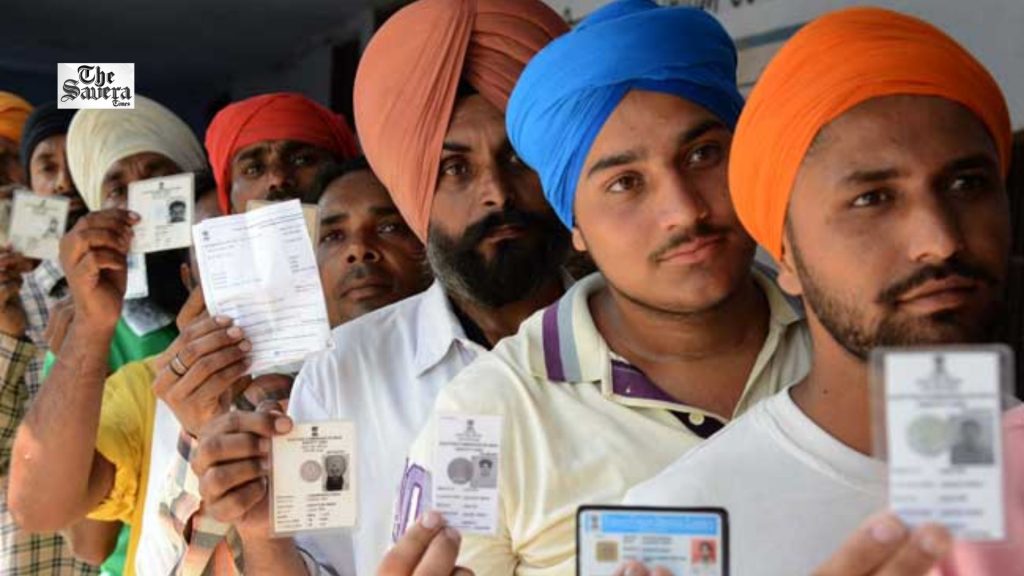
The electoral roll will be reviewed. Officials may ask how many new voters have been added to the roll, specifically young voters. They will also want to know how many people who have passed away or moved have been removed.
They will also review how many voter ID cards have been issued and if there have been any errors in the voting lists.
4. Sensitivity of Polling Stations
Polling stations that have had a history of violence, capture or disputes will be reviewed.
The Commission will look at whether they need extra police and central security forces at sensitive locations. They may also want to review webcasting arrangements at vulnerable polling stations.
5. Law and Order
The police will be asked to provide information on how they are preparing to ensure law and order.
They will want to know how they are dealing with criminals, gangsters, illegal weapons, drug trafficking and other activities that may impact on the election. They will also review how they are securing the borders of Punjab with neighbouring states.
6. Preventing the use of money, alcohol and drugs
The Commission will review how they are preventing the distribution of money, alcohol, drugs and other incentives.
They will look at how well the flying squads, static surveillance teams, check points and election expenditure monitoring teams are running.
7. EVMs and VVPATs
The Election Commission will want to know how many Electronic Voting Machines (EVMs) and Voter Verifiable Paper Audit Trail (VVPAT) units they have available. They will also want to know how they have tested these machines and how they will store them securely.
They will also want to know how they have trained their election staff and if they have basic facilities such as water, electricity, toilets, ramps, seating and facilities for disabled voters at the polling stations.
8. IT Systems, Complaints and Social Media
The Election Commission will want to review how well the cVIGIL app is running. This allows citizens to report any violations of the Model Code of Conduct. They will also want to review how well the Suvidha portal is working to process any permissions requested by candidates.
They will want to review how well the Media Certification and Monitoring Committee (MCMC) and social media monitoring are running. This helps to tackle misinformation, fake news and hate speech.
9. Meeting with Chief Secretary and DGP
Finally the Chief Election Commissioner will have a high level meeting with the Chief Secretary and Director General of Police (DGP) of Punjab.
They will discuss what they have found and if they require any direction to resolve any issues with the elections.
The Election Commission visit will play an important role in getting the 2027 Punjab Assembly elections ready. However, the final date for the elections will be declared via an official notification from the Election Commission.