


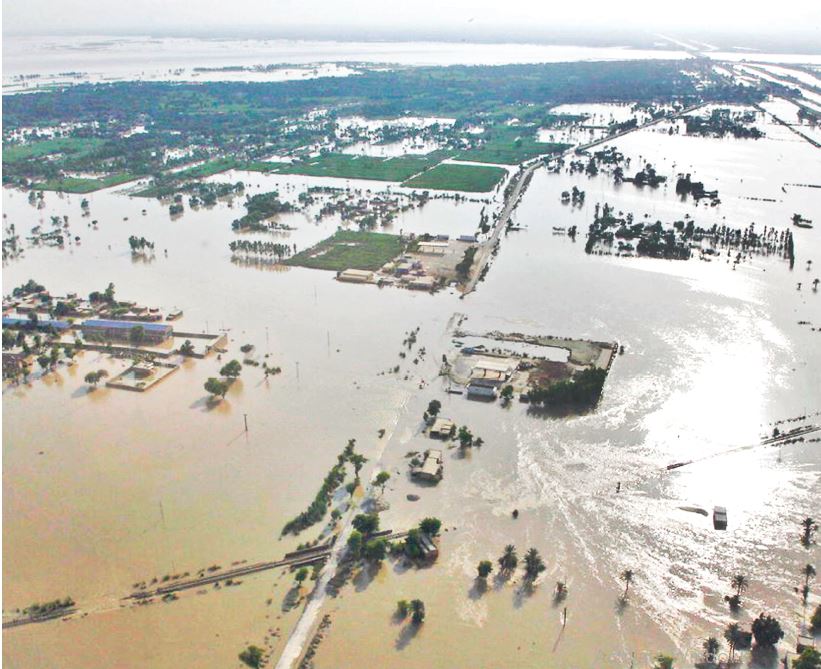
When calamity strikes, true leaders rise. They show up, they help, they lead from the front. But in Punjab’s hour of greatest need—when floods swallowed homes, destroyed crops, and displaced lakhs—it wasn’t the so-called Khalistani leaders who came to the rescue. It wasn’t the loud voices who claim to represent Punjabi pride or who rally online under slogans of separatism. It was ordinary Punjabis—youth, farmers, NGOs, the Army, NDRF, and gurdwaras—who became the backbone of the rescue and relief efforts.
And in that moment, the hollow shell of the Khalistani narrative was exposed.
Gurpatwant Singh Pannu, the self-styled leader of Sikhs for Justice, and other foreign-based Khalistani propagandists have made a career out of agitating Punjabi youth, manipulating sentiments, and pushing a divisive agenda. From the comfort of foreign countries, they shout about injustice, call for referendums, and claim to speak on behalf of Punjab. But when Punjab was drowning, they were silent. Not one relief package. Not one chartered flight of aid. Not even a tweet of support or solidarity.
Where was the so-called Khalistani leadership when Punjab’s villages were under water? When over 1,600 villages were submerged across 23 districts, where were those who claim to fight for Punjab’s dignity? The answer is painful but clear—they were absent, irrelevant, and indifferent.
This silence is not just a political failure; it is a moral one. It shows the fundamental truth: the Khalistan movement is not about Punjab’s well-being. It never was. It thrives on chaos but disappears when there’s a need for compassion. It speaks of sovereignty but ignores suffering. It hijacks the vocabulary of rights while neglecting responsibilities.
Let’s be blunt. This is not the 1980s. The people of Punjab today do not need foreign-fueled ideologies. They need jobs, safety, education, clean water, and support for agriculture. They need real-world solutions, not virtual referendums. In a time when climate change, natural disasters, and economic hardship threaten everyday life, who benefits from the distraction of separatist fantasies? Certainly not the farmers whose paddy crops were submerged across 4.31 lakh acres of land. Not the children crying in relief camps. And not the families that had to carry their belongings through floodwaters, hoping for rescue.
In Gurdaspur alone, 1.45 lakh people were impacted. Amritsar saw over 1.17 lakh affected. Villages in Mansa, Fazilka, and Ferozepur were devastated. Schools, hospitals, roads—basic infrastructure—were cut off. Yet the Khalistani supporters who claim to fight for Punjab’s “freedom” did nothing. They watched from afar as Punjab bled.
And who stepped up? It was the Sikh institutions rooted in community service. The gurdwaras opened their doors, serving meals and providing shelter. The youth formed rescue squads. Relief camps were organized by locals. The Indian Army, BSF, and NDRF worked tirelessly to evacuate, feed, and support the victims. That is what Punjabiyat looks like—compassion, community, and courage.
This contrast couldn’t be sharper. On one side: action, unity, selflessness. On the other: noise, blame, abandonment.
What’s most alarming is how the Khalistani agenda continues to prey on young minds, especially abroad. Social media platforms are flooded with content that romanticizes separatism while demonizing India. But it’s nothing more than propaganda. There’s no roadmap, no responsibility, and no accountability. As this disaster has shown, these foreign-based activists are nowhere when it counts. They don’t build hospitals. They don’t restore roads. They don’t rebuild lives.
This flood has washed away more than crops and homes—it has stripped away illusions. Khalistan is not a solution; it’s a slogan. And slogans don’t save lives.
Punjab has real issues—drug addiction, unemployment, crumbling agriculture, and now, the increasing threat of climate-related disasters. The people of Punjab deserve a future built on hope, not hate. On resilience, not resentment. On rebuilding, not breaking away.
The lesson from this tragedy is powerful: remember who stood by you. Remember who filled stomachs, pulled people from waters, and rebuilt broken villages. And also remember who vanished into the shadows, despite their loud promises and fiery speeches.
Punjab will recover. It always does. But it must move forward with clear eyes and full hearts. The time has come to reject empty rhetoric and embrace real unity. Let this flood be the moment where Punjab turned the page—not toward division, but toward dignity.