


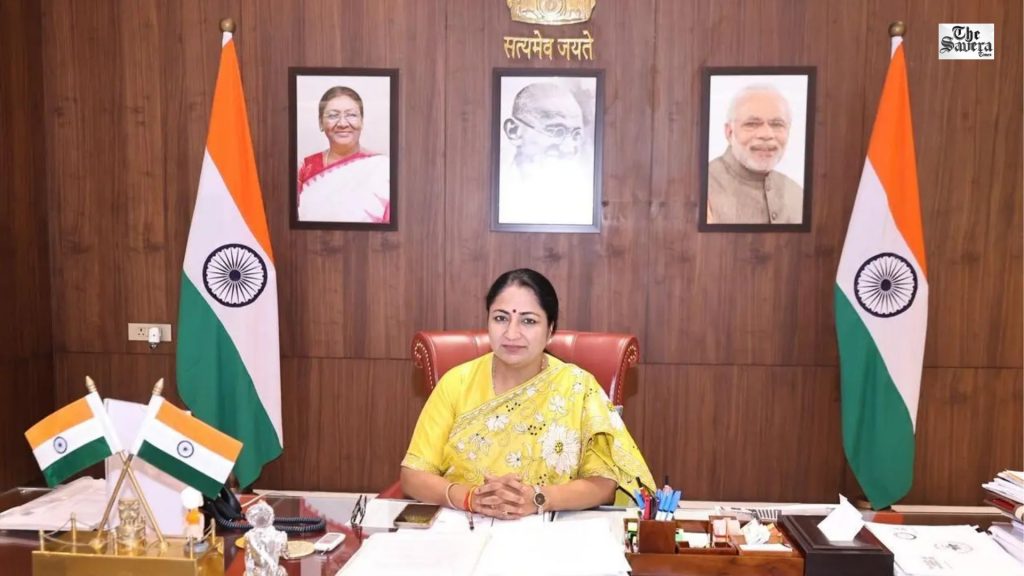
New Delhi: With temperatures rising sharply across the national capital, Delhi Chief Minister Rekha Gupta has directed officials to ensure strict on-ground implementation of the Heat Wave Action Plan 2026, particularly in identified thermal hotspot areas.
Scientific Mapping Used to Identify High-Risk Zones
Following a detailed review, the Chief Minister said this year’s heat action strategy is more scientific and comprehensive than before. The Delhi government has used satellite data to map vulnerable areas across the city and identify regions most at risk during extreme heat conditions.
Thermal Hotspots Under Special Watch
Among the most heat-prone areas are Ayanagar, Najafgarh, and Safdarjung, which have recorded some of the city’s highest temperatures in recent years. Other key hotspot zones include Wazirpur, Jahangirpuri, Khayala, Shastri Park, Vishwas Nagar, Harkesh Nagar, Hari Nagar, and Delhi Gate.
Extra Measures for Vulnerable Communities
Special arrangements are being made to protect school children, construction workers, and residents in densely populated fringe areas. Health centres in hotspot regions will receive increased ORS supplies, additional water tankers, and Quick Response Teams for emergency assistance.
Relief Measures for Workers, Animals and Birds
The government has also directed departments to ensure drinking water and shade for both people and animals. Water containers for birds and designated water points for stray animals are being installed in parks, schools, and public spaces.
Construction workers may face work restrictions during peak heat hours from 12 p.m. to 3 p.m. during severe heatwave alerts, while safety gear and hydration support will be provided at worksites.
Hospitals, Helplines on Alert
More than 339 health centres and over 30 hospitals have been placed on heatwave alert, with dedicated “cool rooms” set up for heatstroke patients. Emergency helplines 1077, 1070, and 112 will remain active 24/7.
Focus on Cooling Infrastructure and Power Supply
Delhi is also advancing its proposed Cool Roof Policy 2026, with reflective cooling coatings already installed at Kashmere Gate ISBT. High-pressure misting systems and anti-smog guns will be deployed in crowded urban areas to reduce heat buildup.
The Chief Minister also warned power distribution companies against outages, stating that uninterrupted electricity supply is essential as Delhi’s peak power demand is expected to cross 9,000 MW this summer.