


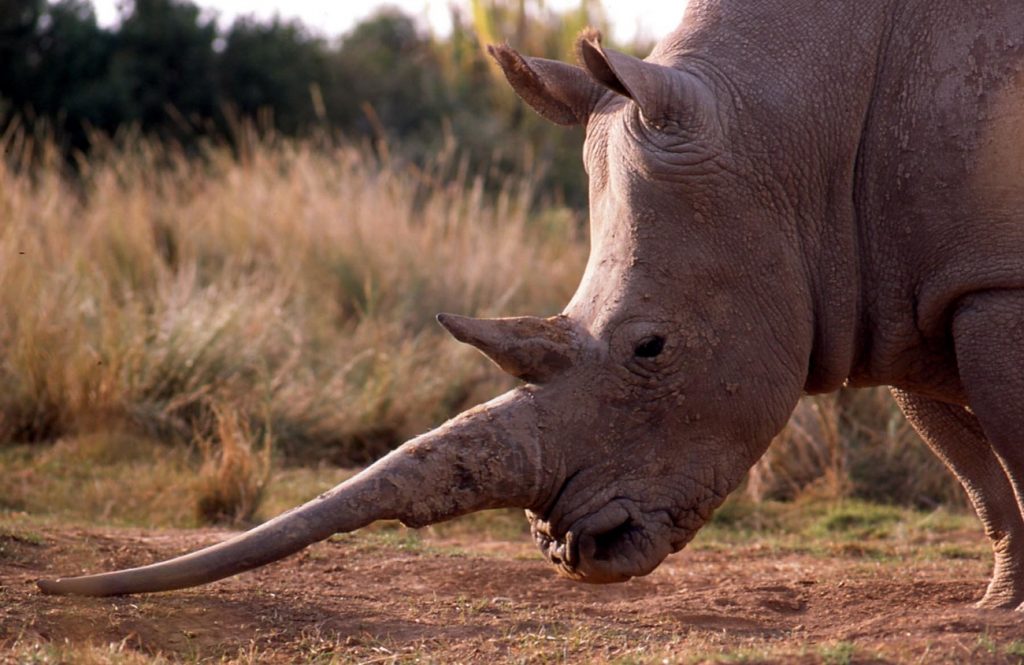
The arrest of former rhino baron John Hume and five others in South Africa has reignited one of conservation’s most divisive debates: what should be done with the ever-growing stockpiles of rhino horn? Hume and his co-accused appeared in court on August 19, 2025, charged with illegally trafficking 960 rhino horns.
Prosecutors allege they exploited loopholes in South Africa’s laws, which allow local trade, by using false information to disguise international sales as domestic transactions. Horns traceable to Hume’s vaults have repeatedly been intercepted at airports.
At the centre of the debate is the fate of rhino horn stockpiles. Since an international ban on rhino horn trade came into effect in 1977, thousands of kilograms have accumulated from natural deaths, de-horning exercises, trophy hunting and seizures from poachers. South Africa alone holds over 70,000 kilograms, much of it in private hands. Conservationists remain divided. The no-trade camp argues for destruction of stockpiles, warning that their existence fuels demand and poaching. The EMS Foundation, a South African NGO, says stockpiles e n co u rage t ra f f i c k i n g while imposing heavy costs for storage and security.
“Rather than banking on extinction, South Africa must embrace rhino horn stockpile destruction as an anti-poaching, anti-trafficking and demand reduction tool,” it said in a recent report. Jason Gilchrist, an ecologist at Edinburgh Napier University, echoed this view, stressing demand reduction. He argued that possession of rhino horn could be turned into a social stigma through public campaigns, with symbolic burnings serving as powerful conservation statements.
The pro-trade camp, however, maintains that stockpiles represent a valuable resource that could be used to fund conservation. Hanno Nusch, CEO of Rhino Revolution, said trimming horns is already an established safety measure and dramatically reduces poaching risk. A recent analysis showed poaching rates fell by 95 per cent in dehorned rhinos
. Nusch argued that legally channelled sales could generate funds for habitat protection and security, making rhinos more valuable alive than dead. Others question the motives behind pro-trade lobbying. Map Ives, national rhino co-ordinator for Rhino Conservation Botswana, noted that many African governments and private landowners see horn sales as a way to raise revenue, often diverting proceeds away from conservation.
“Although financial needs are real, the danger is that funds are used for national budgets or private profit rather than protection,” he warned. The Hume case has become a cautionary tale. Adams Cassinga of Conserv Congo said it highlights how conservation must be built on integrity and collective responsibility. “The survival of species should not depend on loopholes or the will of the powerful,” he said, stressing that without transparency, both rhinos and the fight against organised crime remain at risk