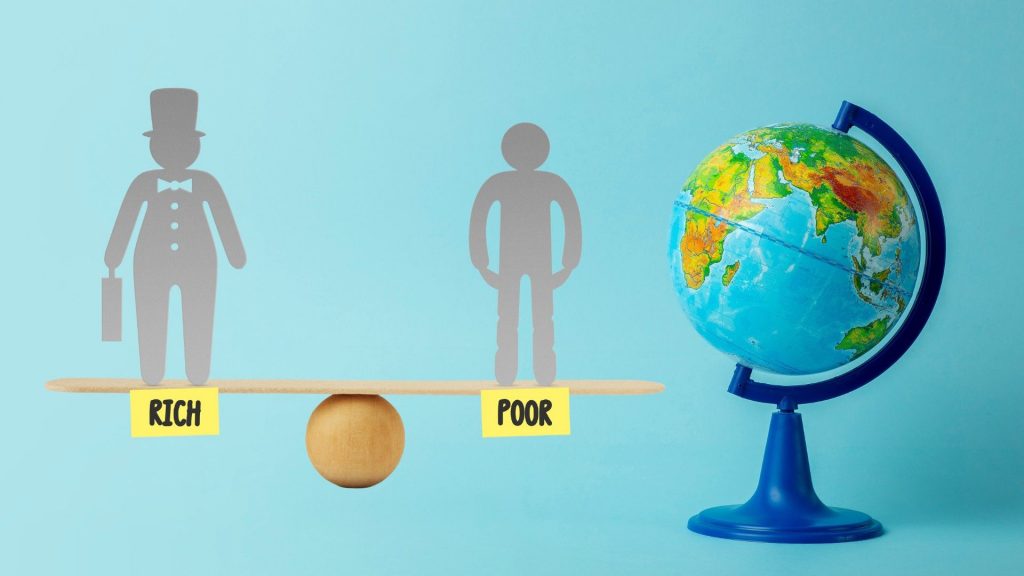
These days, many international studies are coming out about the Indian economy. Returns are also being filed. The Income Tax Department is assessing the current situation of the country, keeping in mind the past. Of course, the return filing system has changed. The number of income tax returns has also increased. In light of this change, national income tax analysts and international researchers have also made some observations about the Indian economy. First, the gap between the rich and the poor is continuously widening. A study of returns reveals that the number of people with annual incomes exceeding one billion has quadrupled in the last four years. Currently, 576 people in our country are reporting incomes exceeding one billion in their returns. Surveys of household consumption expenditure reveal that the days when rural consumption was lower than urban consumption are gone. Now, the gap between these two sectors has narrowed significantly. However, when examining all these facts, it was found that the income of the lower classes has not increased proportionately, nor has their consumption expanded beyond necessities to include luxury goods. Yes, privatization of the country has certainly given rise to an upper middle class whose demand for luxury goods is increasing. However, food still accounts for the highest percentage of consumption. If we want to differentiate between the rich and the poor in our country, we can look at the proportion of their spending on education, health, and entertainment. The clear result is that the rich spend significantly more on these three areas. Therefore, consumption, not income, should be the method for measuring income differences. India’s poor remain stuck at the same level of consumption. According to the Global Income Inequality Report 2026, the top 10 percent of India’s population accounts for 58 percent of the country’s total income, while the lowest 55 percent have only 15 percent. Another category is the superrich, which includes billionaires. They command 22.7 percent of national income, while even in a capitalist country like the United States, this one percent of the super-rich commands only 20.4 percent of income. The bottom line is that while the rich are becoming richer, the number of poor is also increasing
Rich becomes Richer, What About the Poor