


By Dr Tanu Jain (Chief executive officer Bareilly cantonment board Ministry of defence)
There are journeys we plan, and there are journeys that call us back. It had been almost a decade since I last climbed the sacred slopes of Shikharji—also known as Sammed Shikhar or Parasnath Hill. Yet memory has its own pilgrimage. Long before my feet touched the stone paths again, my heart had already begun the ascent. It felt like remembrance.
As though some ancient part of my soul recognized the mountain before my eyes did. Sammed Shikharji, nestled near Madhuban in the Giridih district of Jharkhand, is not merely a pilgrimage site in the geographical sense. It is a Siddha Kshetra—the sacred land where twenty out of the twenty-four Jain Tirthankaras dissolved their karmic bonds and ascended into eternal liberation.
To walk here is to walk upon the memory of moksha itself. The hill bears the name of Parshvanatha, the 23rd Tirthankara, who attained nirvana here. Jain Agamas and ancient texts have revered this mountain for over two thousand years. Medieval shravaks and kings raised tonks to mark the sites of final meditation, yet no architecture can equal the invisible monument of penance that lingers in the air.
This is a place where silence has depth, where the wind carries whispers of renunciation, and where even the stones seem softened by centuries of prayer. I began my ascent at six in the morning. The dawn was tender, almost protective, wrapping the mountain in a golden hush. With every step, I felt less like a visitor and more like a returning child. The path was long, the climb steady, but my heart was strangely light.
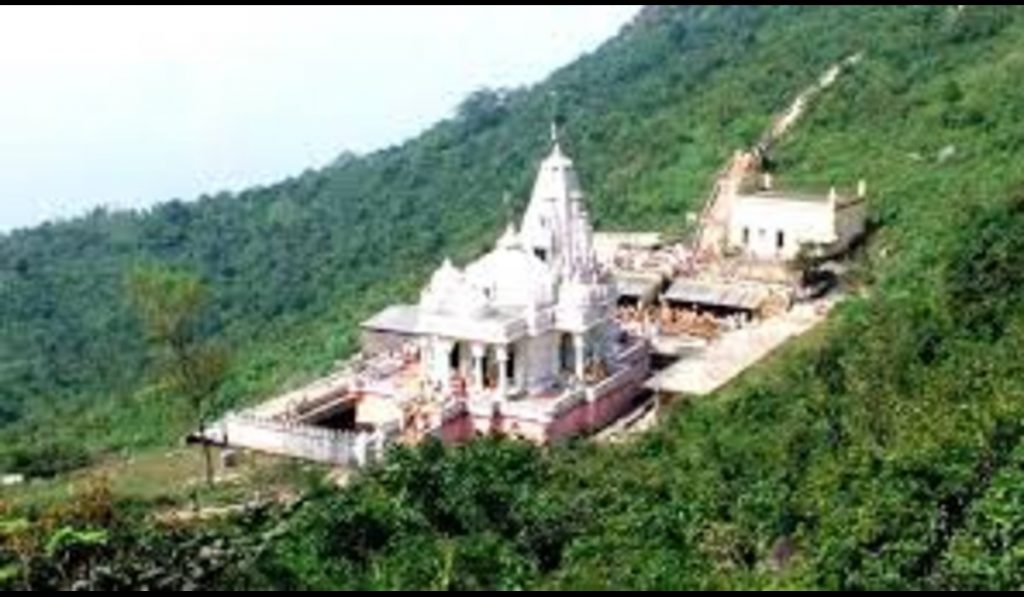
Perhaps because I knew I was walking where liberated souls once walked their final steps. When I reached the first tonk of Parshvanath Bhagwan, my eyes filled with quiet tears. There were no grand idols only sacred charan, the footprints. In that moment, I understood something profound. Shikharji erases divisions. Swetambar, Digambar, Terapanthi all bow before the same charan.
There is no exclusivity in liberation. There is only reverence. The absence of idols made the presence of truth even stronger. It was as if the mountain was gently reminding us: the form fades, the essence remains. As I performed my paath, my heart brimmed with joy and a deep, unexplainable ecstasy.
The Navkar Mantra rose from within me, not as ritual, but as surrender: namo arihantaanam namo siddhanam namo iriyanam namo uvajjhayanam namo loe sl sahunam. I bow to the Arihants. I bow to the Siddhas. I bow to the Acharyas, the Upadhyayas, and all Sadhus of the world. This mantra asks for nothing; it only acknowledges greatness of the soul. And on this mountain, those words feel alive.
As I continued climbing from one ridge to another, I noticed the pristine nature around me. Every leaf seemed sacred. I looked at a single tree and wondered how many saints had meditated beneath it, how many final breaths of liberation had dissolved into this sky. Even the breeze felt disciplined, almost meditative. Along the path, barefoot sadhaks and elderly pilgrims moved slowly, chanting softly.
Their steps were deliberate, humble, unwavering. Watching them stirred something deep within me. A thought echoed in my heart: Aatma akele aati hai, akele jaati hai. The soul comes alone and departs alone. The Jain Agamas remind us with striking clarity: “Appa katta vikatta ya, appa hu suha-duhani ya.” The soul alone is the doer and the experiencer of joy and sorrow.
And again: “Eko me sassao appa, nanadamsana-samyutto.” My soul alone is eternal, endowed with knowledge and perception. On that mountain, these were not philosophical lines; they were living truths. My solo journey suddenly felt symbolic. We may walk with family, chant with companions, and share moments of devotion—but in the ultimate journey of liberation, the soul stands alone before its own karma. That realization did not feel lonely. It felt powerful. It felt freeing. Jainism gently teaches, “Parasparopagraho Jivanam”souls serve one another.
Yes, we uplift and support each other in this human journey. But moksha is deeply personal. It is an inward awakening, a flame lit by one’s own awareness. Somewhere between the steep climbs and silent pauses, I felt a profound stillness settle within me. The world’s noise faded. Ambitions, worries, identities all seemed distant. There was only breath, sky, and the quiet presence of those who had transcended everything.
Shikharji does not overwhelm with grandeur. It refines you. It softens you. It strips you of unnecessary layers. It reminds you that simplicity is sacred and silence is strength. In today’s restless world, this mountain feels more relevant than ever. It teaches detachment without indifference, devotion without division, and discipline without display. The charan without idols dissolve sectarian boundaries. The barefoot ascent dissolves ego. The memory of twenty liberated souls dissolves doubt.
As the sun rose higher and the golden light touched the peaks, gratitude filled me completely. Gratitude for being called back. Gratitude for walking again on this sacred path. Gratitude for remembering who I am beyond roles and responsibilities. When I descended, I carried no physical offering, no grand resolution.
I carried stillness. A deep, luminous stillness. For Sammed Shikharji is not merely a place one visits. It is a place that awakens. It whispers gently to every pilgrim: The soul is eternal. The journey is inward. And the summit you seek is already within you