


Scientists warn that humanity has now crossed seven of the nine planetary boundaries essential for maintaining a habitable Earth, with ocean acidification joining climate change and biodiversity loss in the danger zone for the first time, according to the latest Planetary Health Check (PHC) report. By last year, six boundaries had already been breached. Planetary boundaries are ecological thresholds that regulate Earth’s stability and resilience.
They define a “safe operating space” for life by maintaining vital processes that support human and ecological wellbeing. The nine processes monitored include climate change, biosphere integrity, land system change, freshwater use, biogeochemical flows, introduction of novel entities, ocean acidification, atmospheric aerosol loading, and stratospheric ozone depletion. Only atmospheric aerosol loading and stratospheric ozone depletion remain within safe limits. The PHC report highlights that ocean acidification has now exceeded safe levels.
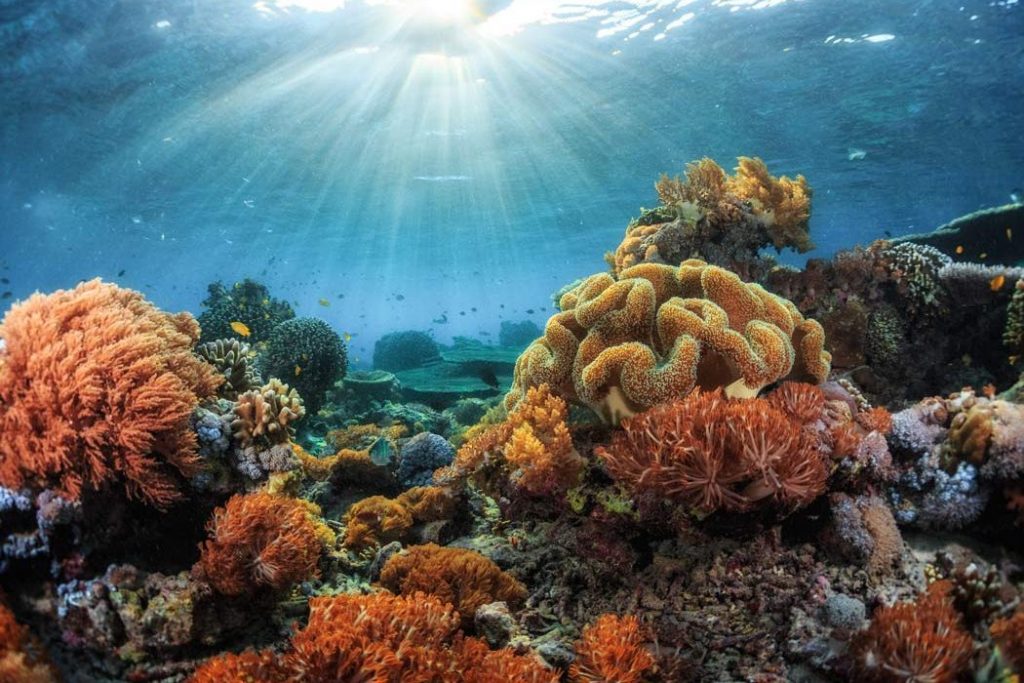
The driver is carbon dioxide emissions from fossil fuel combustion, which oceans absorb, altering their chemistry. Since the industrial era, surface ocean acidity has risen by 30-40 percent. The global mean surface aragonite saturation state, which indicates carbonate availability for shell- and skeleton-forming marine organisms, now stands at 2.84, below the safe threshold of 2.86. Rising acidity threatens corals, molluscs, and plankton species, jeopardizing marine food webs and ecosystem functions.
Oceanographer Sylvia A. Earle, in the report, described the breach as “sobering news,” warning that it imperils not only marine ecosystems but the broader Earth system dependent on a healthy ocean. Oceans cover 70 percent of the planet and play a crucial role in climate regulation, resilience, and life support. On climate change, atmospheric CO2 reached 423 parts per million in 2025, far above the 350 ppm safe limit, and nearing the high-risk boundary of 450 ppm. Radiative forcing, which measures human impact on the Earth’s energy balance, stands at +2.97 Watts per square meter, nearly double the high-risk threshold of +1.5 W/m². These trends increase the likelihood of large-scale, irreversible environmental changes.
Biosphere integrity, measured by extinction rates, continues to deteriorate. The current rate exceeds 100 extinctions per million species years, well above the safe limit of 10 E/MSY. Genetic diversity loss and ecosystem degradation show no signs of slowing. The report underscores that humanity is straining the Earth system beyond safe limits, with cascading consequences across climate, oceans, and biodiversity. Immediate action is required to curb fossil fuel emissions, protect ecosystems, and restore natural balance to avoid irreversible damage to the planet’s life-support systems. This latest assessment emphasizes the interconnectedness of Earth’s systems, highlighting how breaches in one boundary, such as ocean acidification, exacerbate pressures on climate, biodiversity, and human well-being.