


Global warming appears to have shifted into a faster gear. After removing the effects of El Nino, volcanic eruptions, and solar cycles, researchers found that the planet has warmed at roughly 0.35°C per decade over the past ten years, compared with just under 0.2°C per decade from 1970 to 2015. According to the study published on the Science Daily website, the acceleration, which became visible around 2013 to 2015, appeared across five major global temperature datasets with more than 98% statistical certainty. Global warming has sped up since around 2015, according to a new analysis from the Potsdam Institute for Climate Impact Research (PIK). After removing the effects of natural temperature swings, researchers found the first statistically significant evidence that the planet’s long-term warming rate is accelerating. Over the past decade, global temperatures have risen at an estimated pace of about 0.35°C per decade, depending on the dataset used. By comparison, the average warming rate from 1970 to 2015 was just under 0.2°C per decade. The recent pace is higher than that of any previous decade since instrumental temperature records began in 1880. Scientists Isolate the Long-Term Warming Signal “We can now demonstrate a strong and statistically significant acceleration of global warming since around 2015,” says Grant Foster, a US statistics expert and co-author of the study, which was published today in the scientific journal Geophysical Research Letters as quoted in ScienceDaily. “We filter out known natural influences in the observational data, so that the ‘noise’ is reduced, making the underlying long-term warming signal more clearly visible,” Foster added. In climate data, “noise” refers to short-term temperature changes that can temporarily hide or exaggerate the underlying trend. El Nino, for example, can push global temperatures higher for a limited period by releasing heat from the tropical Pacific Ocean into the atmosphere. Volcanic eruptions can have the opposite effect by sending particles into the atmosphere that reflect sunlight, while changes in the Sun’s activity can also produce smaller temperature variations
Sharp Acceleration in Global Warming
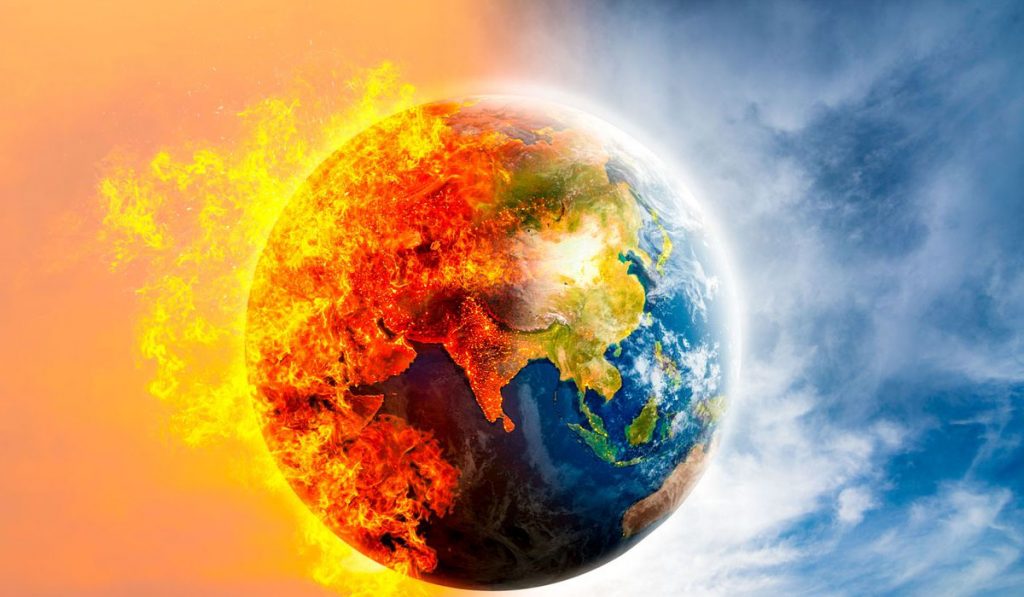
New Facts on Sharp Acceleration in Global Warming