


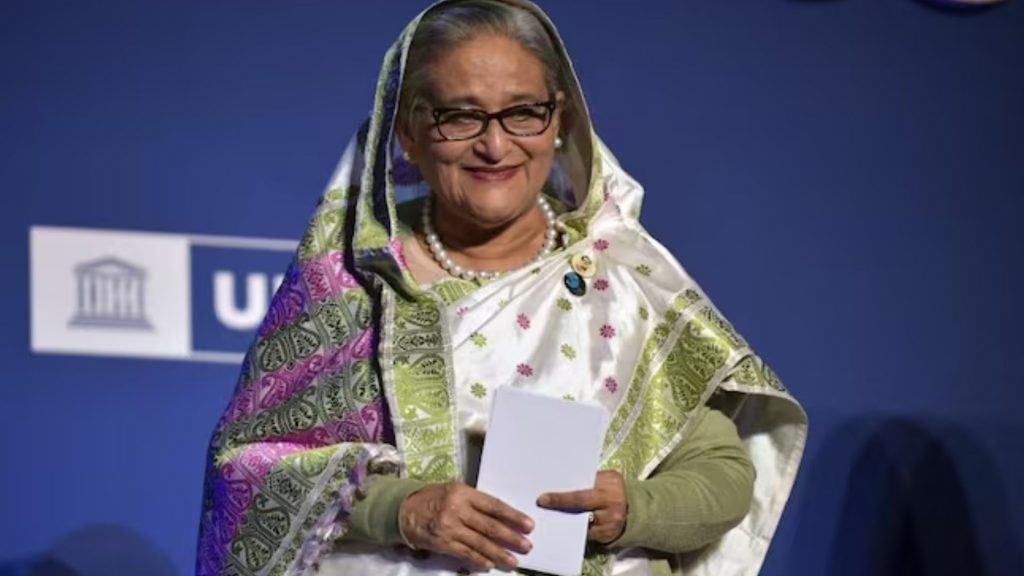
New Delhi: Former Bangladesh Prime Minister Sheikh Hasina has requested the Bangladesh Embassy in New Delhi to issue a new passport and National Identity Card (NID) as part of her planned return to the country in December. This is the first official request she has made since leaving the country for India in August 2024.
According to a Reuters report, her lawyers at London-based Matrix Chambers submitted a letter to Preeti Rahman, Acting High Commissioner of the Bangladesh Embassy in New Delhi, on Monday, requesting the issuance of necessary documents to facilitate Sheikh Hasina’s return to Bangladesh.
In the letter, her lawyers wrote, “In light of reports that her current Bangladeshi passport and National Identity Card (NID) have been revoked by the interim government and other authorities, I respectfully request that the necessary steps be taken to issue a new Bangladeshi passport and National Identity Card to our client.”
The lawyers also appealed to the authorities to expedite the application. They cited Sheikh Hasina’s Bangladeshi citizenship and her rights under international human rights agreements.
According to Reuters, Sheikh Hasina intends to return to Bangladesh and surrender to the court. Her aides said on Monday that the date of return will be announced after the necessary formalities are completed.
Return after death sentence could escalate political tensions
Sheikh Hasina’s potential return could once again intensify political and legal tensions in Bangladesh. In November 2025, Bangladesh’s war crimes court sentenced her to death in absentia for ordering a violent crackdown during a student protest. Hasina has denied these charges and is currently living in India.
She lost power due to a movement against reservations
Sheikh Hasina’s departure from Bangladesh followed weeks of protests. The movement began in June 2024 over the controversial quota system in government jobs. Protests intensified after the Bangladesh High Court restored 30 percent reservation in government jobs for descendants of freedom fighters who participated in the 1971 Liberation War.
Students took to the streets demanding merit-based recruitment. Gradually, the movement escalated, fueled by violent clashes, allegations of excessive force by security forces, unemployment, and widespread public anger against the government, including corruption.
The government’s crackdown on protesters and the resulting deaths further intensified the movement. The student movement quickly escalated into a nationwide protest, and protesters began demanding Sheikh Hasina’s resignation.
On August 5, 2024, as thousands of protesters marched toward Dhaka, Sheikh Hasina resigned as Prime Minister and returned to India by military plane.
#Ban on Awami League, Strain in India-Bangladesh Relations
Following Sheikh Hasina’s ouster from power, her party, the Awami League, formerly one of Bangladesh’s largest political parties, was banned. Many party leaders and supporters were arrested, while some went into exile in India and other countries.
Sheikh Hasina’s continued presence in India has also been a point of contention in relations between the two countries. Bangladesh has repeatedly requested India’s extradition. In December 2024, the interim government there sent a formal extradition request to New Delhi.
India has stated that the request is being examined in accordance with established legal procedures. According to Indian officials, both legal and diplomatic aspects of the matter are being considered.
New Delhi: Former Bangladesh Prime Minister Sheikh Hasina has requested the Bangladesh Embassy in New Delhi to issue a new passport and National Identity Card (NID) as part of her planned return to the country in December. This is the first official request she has made since leaving the country for India in August 2024.
According to a Reuters report, her lawyers at London-based Matrix Chambers submitted a letter to Preeti Rahman, Acting High Commissioner of the Bangladesh Embassy in New Delhi, on Monday, requesting the issuance of necessary documents to facilitate Sheikh Hasina’s return to Bangladesh.
In the letter, her lawyers wrote, “In light of reports that her current Bangladeshi passport and National Identity Card (NID) have been revoked by the interim government and other authorities, I respectfully request that the necessary steps be taken to issue a new Bangladeshi passport and National Identity Card to our client.”
The lawyers also appealed to the authorities to expedite the application. They cited Sheikh Hasina’s Bangladeshi citizenship and her rights under international human rights agreements.
According to Reuters, Sheikh Hasina intends to return to Bangladesh and surrender to the court. Her aides said on Monday that the date of return will be announced after the necessary formalities are completed.
Return after death sentence could escalate political tensions
Sheikh Hasina’s potential return could once again intensify political and legal tensions in Bangladesh. In November 2025, Bangladesh’s war crimes court sentenced her to death in absentia for ordering a violent crackdown during a student protest. Hasina has denied these charges and is currently living in India.
She lost power due to a movement against reservations
Sheikh Hasina’s departure from Bangladesh followed weeks of protests. The movement began in June 2024 over the controversial quota system in government jobs. Protests intensified after the Bangladesh High Court restored 30 percent reservation in government jobs for descendants of freedom fighters who participated in the 1971 Liberation War.
Students took to the streets demanding merit-based recruitment. Gradually, the movement escalated, fueled by violent clashes, allegations of excessive force by security forces, unemployment, and widespread public anger against the government, including corruption.
The government’s crackdown on protesters and the resulting deaths further intensified the movement. The student movement quickly escalated into a nationwide protest, and protesters began demanding Sheikh Hasina’s resignation.
On August 5, 2024, as thousands of protesters marched toward Dhaka, Sheikh Hasina resigned as Prime Minister and returned to India by military plane.
Ban on Awami League, Strain in India-Bangladesh Relations
Following Sheikh Hasina’s ouster from power, her party, the Awami League, formerly one of Bangladesh’s largest political parties, was banned. Many party leaders and supporters were arrested, while some went into exile in India and other countries.
Sheikh Hasina’s continued presence in India has also been a point of contention in relations between the two countries. Bangladesh has repeatedly requested India’s extradition. In December 2024, the interim government there sent a formal extradition request to New Delhi.
India has stated that the request is being examined in accordance with established legal procedures. According to Indian officials, both legal and diplomatic aspects of the matter are being considered.