


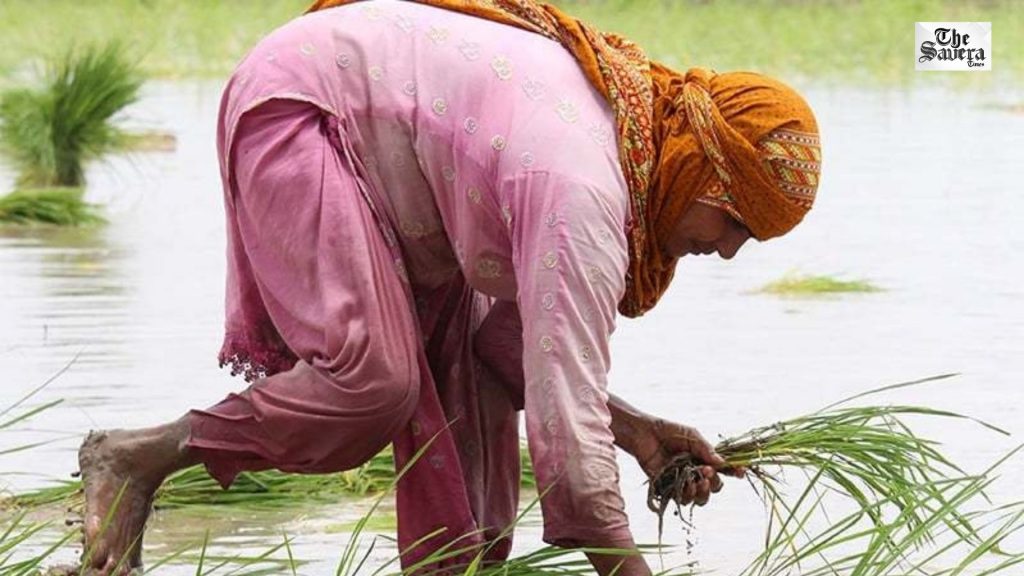
In Pakistan’s Sindh province, concerns are rising over the implementation of a landmark law aimed at protecting rural women workers, with activists and experts saying the legislation has largely failed to deliver on its promises. Despite progressive provisions, including fair wages, legal protection, and social benefits, many rural women continue to face poor working conditions and a lack of enforcement on the ground.
Law Promised Protection and Equal Rights
The Sindh Women Agriculture Workers framework was designed to ensure equal wages, maternity benefits, and protection from harassment for women working in agriculture and allied sectors. The law was considered a major step toward recognizing the contribution of women in rural economies, where they make up a significant portion of the workforce.
Implementation Gaps Leave Women Vulnerable
However, reports indicate that implementation remains weak with many women unaware of their rights or unable to access benefits due to bureaucratic hurdles and a lack of outreach. Experts highlight that rural women often continue to work in informal and unpaid roles, with limited legal protection and no written contracts. Field observations and local discussions have also pointed to persistent challenges such as low wages, discrimination, and lack of access to healthcare and social security.
Structural Challenges in Rural Economy
Women in rural Sindh face broader structural barriers, including poverty, limited education and social restrictions, which prevent them from fully benefiting from legal reforms. Studies show that a large percentage of rural women workers are engaged in unpaid family labor or informal employment, making enforcement of labor laws difficult.
Call for Stronger Enforcement and Awareness
Activists and policymakers are now calling for stronger implementation mechanisms, including awareness campaigns, monitoring systems, and easier access to benefits. They stress that without effective enforcement, even well-designed laws risk becoming symbolic rather than transformative.