


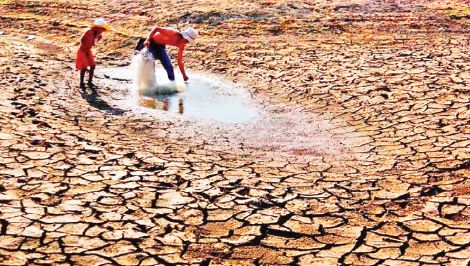
Environmental degradation is an increasingly pressing issue that affects us all. It is caused by a variety of factors, ranging from human activities to natural disasters, and its effects can be devastating. Many of these effects can cause further degradation, which means that this impact works as a downward cycle. Fortunately, there are solutions, and we can all work together to mitigate its impacts. Plant With Purpose exists to help reverse this cycle and create a more sustainable future for communities all around our planet. Poverty is a major contributor to environmental degradation.
People living in poverty often experience hunger and food insecurity, which leads to over-exploitation of natural resources. For example, trees are frequently harvested to turn into charcoal, a product that can be sold for quick cash. This can lead to deforestation, air pollution, and other unsustainable practices that have a negative impact on the environment. Poverty also affects environmental degradation in other ways. People living in poverty may not have access to education about environmental issues or the resources to invest in sustainable practices. They may also be more likely to engage in activities that are harmful to the environment, such as burning wood for fuel or dumping waste into rivers and streams.
These activities can have long-term negative impacts on the environment, including air and water pollution, soil erosion, and loss of biodiversity. Deforestation is the permanent destruction of forests in order to make the land available for other uses. It is one of the leading causes of environmental degradation because it reduces biodiversity, disrupts the water cycle, and contributes to climate change. Trees also play an important role in the water cycle by absorbing water from the ground and releasing it into the atmosphere. Without trees, the water cycle is disrupted, leading to droughts and floods. Deforestation also contributes to climate change by releasing carbon dioxide into the atmosphere. Additionally, deforestation can lead to soil erosion, which can lead to desertification and other land degradation issues.
All of these effects of deforestation can have long-lasting impacts on the environment. Climate change is a major contributor to environmental degradation because it can cause soil erosion, which is the process of wearing away the land surface by the action of natural forces such as wind, water, and ice. Climate change can cause an increase in the intensity and frequency of storms, worsening erosion. This can be especially damaging in areas that are already prone to soil erosion due to their topography or land use. Additionally, climate change can cause an increase in the intensity and frequency of floods.
Floods can carry away large amounts of sediment, which is then deposited elsewhere, leading to changes in the landscape. Furthermore, climate change can cause an increase in the intensity and frequency of droughts, which can lead to soil erosion due to wind and water. In other cases, climate change can create longer periods of drought, which results in insufficient plant growth.
Soil erosion can have serious consequences for the environment, as it can lead to a decrease in soil fertility, an increase in sedimentation in waterways, and an increase in the risk of flooding. In addition, soil erosion can lead to the loss of valuable topsoil, which is essential for plant growth and food production. Soil erosion can also contribute to environmental degradation in other ways. Soil erosion can lead to increased air pollution, as the dust particles are carried away by wind and deposited in other areas. Finally, soil erosion can lead to a decrease in biodiversity, as it can reduce the amount of habitat available for plants and animals.
All of these effects can have serious consequences for the environment and should be taken into consideration when developing land management strategies. In many rural areas, people rely on the environment for their livelihood. Right now, 8 in 10 people living in poverty are rural, reflecting the severity of our environmental crisis. Environmental degradation is a major contributor to poverty. Deforestation, overgrazing, pollution, and climate change all contribute to environmental degradation and can lead to decreased crop yields and water shortages. These factors can all contribute to poverty, as people are unable to produce enough food to feed their families.
“I was exclusively dependent on agriculture to support my family,” explains Chanceline in the Democratic Republic of the Congo. “Relying only on agriculture hindered my development. I had dreams of also starting some commerce, but I never had the financial resources to get started with my dream.”
As extreme weather events damage crops and reduce crop yields across Eastern Africa, people have grown increasingly unable to produce enough food to feed their families. As environmental degradation worsens poverty, it drives people towards overharvesting of resources, namely, trees. When land is degraded, people are more likely to deforest an area in order to access the fertile forest soil for agricultural and other uses. Deforestation can also occur when land is cleared for agricultural or industrial purposes, or when forests are burned to create space for urban development.
All of these activities can lead to a decrease in the amount of forested land available, which can have a devastating impact on the environment. Environmental degradation damages soil in a variety of ways. It furthers erosion, which removes topsoil and reduces the fertility of the soil. It can also cause an increase in salinity, which affects the ability of plants to absorb water and nutrients.