


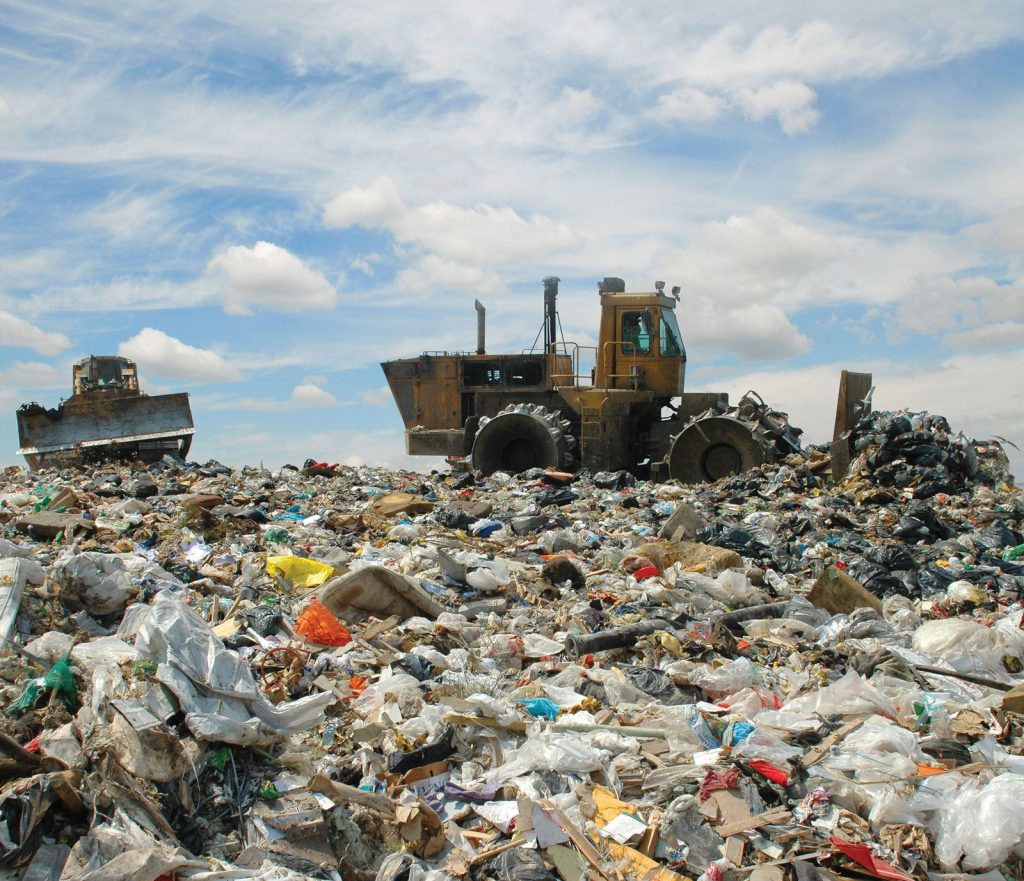
India’s waste-to-energy (WTE) discussions are quietly undergoing a fundamental shift. Earlier WTE policies were based on a simple principle: only high-calorific, non-recyclable rejects should be used for energy recovery after segregation and material recovery. WTE was meant to sit at the bottom of the waste hierarchy—after recycling, composting, and biomethanation had extracted value from the waste stream.
While the Solid Waste Management (SWM) Rules, 2026 strengthen segregation and decentralised processing, they also expand pathways for Refuse-Derived Fuel (RDF), co-processing, and WTE. In practice, however, where source segregation remains poor, there is an undeniable risk that combustible fractions, including materials that could otherwise be recycled, will increasingly be diverted for energy recovery.
The rules also remain silent about the long-term handling of bottom ash generated after combustion. Incineration does not eliminate waste; it simply converts it into another residual stream requiring disposal.
The growing push for Reciprocating Grate (R-Grate) technology is accelerating this shift. These moving-grate systems are increasingly being promoted as capable of handling mixed municipal waste with minimal pre-processing.
For cities struggling with overflowing dumpsites and weak segregation systems, the proposition becomes attractive: if segregation is difficult, perhaps technology can compensate for it. WTE is slowly shifting from a treatment option for residual rejects to becoming a primary disposal pathway for mixed waste itself.
This trend is especially visible in cities facing severe disposal pressure such as Delhi, Hyderabad, and Mumbai, where WTE projects are increasingly projected as quick solutions to waste accumulation. More importantly, WTE is now being promoted even in cities that do not generate enough combustible waste to sustain large incineration systems independently.
States such as Uttar Pradesh, Madhya Pradesh, and Andhra Pradesh are planning regional WTE models, where waste from multiple Urban Local Bodies (ULBs) is aggregated and transported to centralised facilities.
In many smaller cities, however, waste contains even higher organic content and lower calorific value than metropolitan waste streams. Instead of selecting technology based on local waste characteristics, cities are increasingly reorganising waste systems around the needs of the furnace itself.
Better Furnace Cannot Fix Poor-Quality Waste
The technology itself is not insignificant. R-Grate systems, widely used in Europe and East Asia, improve combustion by continuously moving and turning waste inside the furnace, allowing better drying, air circulation, and burnout efficiency. Compared to older fixed-grate systems, they can tolerate greater fluctuations in waste quality and moisture.
But Indian municipal waste remains fundamentally difficult to burn. Multiple waste characterisation studies across Indian cities have consistently shown high organic content, moisture levels often exceeding 40 per cent, and large quantities of inert material such as dust and silt. Such waste has low calorific value and unstable combustion characteristics.
In simple terms, Indian mixed waste behaves less like fuel and more like wet, heterogeneous residue. This is precisely why several Indian WTE facilities have historically struggled with inconsistent power generation, low plant load factors, and periodic operational shutdowns, especially during the monsoon season when moisture levels increase further.