


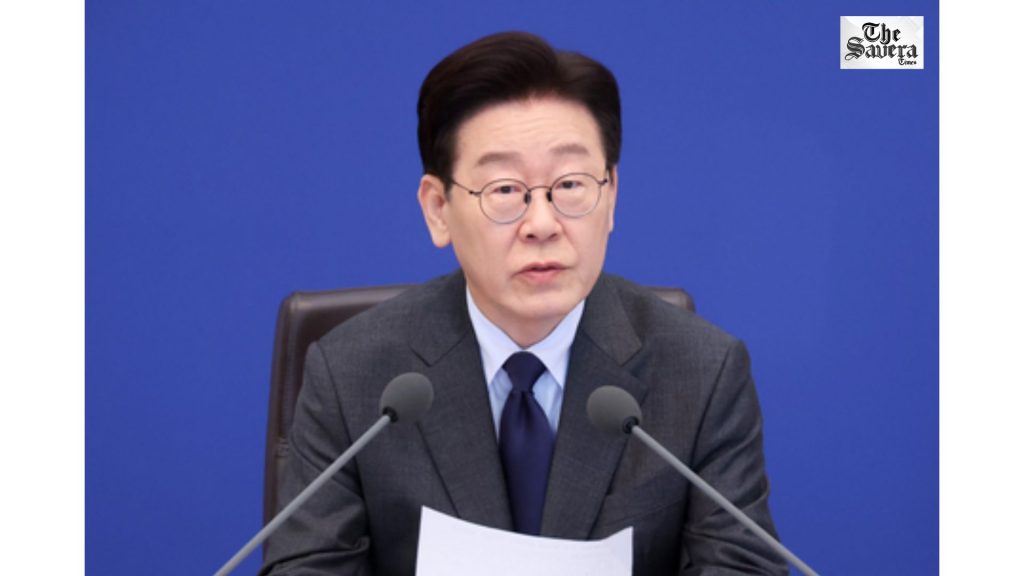
Lee Jae Myung has called for the immediate implementation of a preemptive emergency response system as the ongoing Iran war continues to disrupt global stability and energy supplies. Speaking during a Cabinet meeting in Seoul, Lee emphasised the need for proactive measures to safeguard the country’s economy and its citizens from the escalating fallout of the conflict.
Concerns Over Energy Supply Disruptions
The prolonged conflict linked to the broader 2026 Iran war has significantly impacted global oil and gas supply chains. South Korea, which heavily depends on energy imports, faces increasing risks due to rising fuel prices and supply uncertainty. Lee warned that disruptions in petrochemical supplies could affect everyday essentials, from medical equipment to food packaging, posing a serious threat to livelihoods.
Push for emergency systems and contingency plans
The president urged government agencies to activate a nationwide emergency response framework, conduct risk assessments and secure alternative supply sources. He also called for detailed contingency planning to prevent worst-case scenarios including shortages of critical goods and industrial disruptions.
Relief Measures and Budget Support
To cushion the economic impact, Lee stressed the need for a supplementary budget aimed at supporting small businesses and vulnerable households struggling with rising energy costs. He highlighted that swift financial intervention would be crucial in stabilizing livelihoods and mitigating inflationary pressures caused by the crisis.
Global Impact of Iran War Intensifies
The Iran war has triggered widespread global repercussions, including disruptions in oil transport routes and spikes in energy prices. Countries across Asia, including South Korea, are particularly vulnerable due to their reliance on Middle Eastern energy supplies.
Growing Economic and Security Concerns
Experts warn that prolonged instability could weaken economic growth and strain financial markets. South Korea has already seen market volatility and rising concerns over inflation and industrial slowdown due to the crisis. Lee’s call for preparedness reflects broader global efforts to manage the cascading effects of the conflict and ensure economic resilience.