


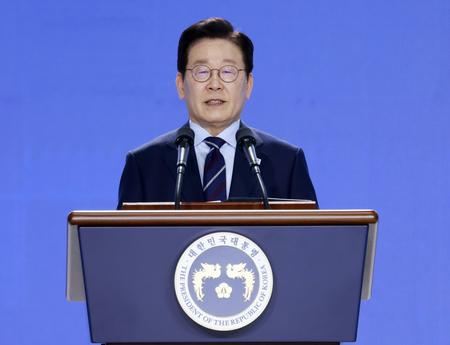
South Korean President Lee Jae Myung has ordered a comprehensive and stern investigation into alleged illegal ties between religious organizations and political figures in the country. The directive comes amid mounting public concern over the involvement of religious groups in politics, including financial transactions and other forms of influence that may compromise democratic governance. President Lee emphasized that the probe must be impartial, extending across all political parties and ranks, to restore public trust in both political institutions and religious bodies.
BREAKING- TWICE in a week, South Korean President Lee Jae-myung requested to review dissolution of religious organizations that are deemed to “violate separation of church and state.”
When churches are no longer allowed to speak truth or stand for biblical values, we’re not just… https://t.co/QH0T9T76bF pic.twitter.com/dXQ7iVHuhE
— Chance Son (@ChanceSon1226) December 9, 2025
Focus on the Unification Church
Although the presidential order did not specifically name any religious organization, experts and media reports suggest that it primarily targets the Unification Church. The church has been under scrutiny for allegations of bribing political figures, including providing luxury gifts to former first lady Kim Keon Hee, allegedly in exchange for political favors during the previous administration. Investigators have also claimed that the church offered financial support to multiple lawmakers, raising concerns about the extent of religious interference in politics.
Cabinet Meeting: Legal and Regulatory Measures
During a cabinet meeting, President Lee instructed ministers to review current legal frameworks and explore measures to prevent religious organizations from engaging in political activities. He also suggested that authorities consider the possibility of dissolving organizations found to be violating the law — comparing it to international practices where the state can disband groups that interfere in politics or engage in illicit funding. The President stressed the urgency of curbing these practices and ensuring that religious groups operate within the law.
Political and Social Implications
The investigation has significant political and societal implications. Analysts believe that the probe could reshape the political landscape in South Korea by bringing past and present affiliations of politicians with religious organizations under scrutiny. The government’s actions also signal a strong commitment to enforcing the principle of separation between religion and politics, which has long been a contentious issue in the country.
Background: Past Allegations
This probe builds on previous investigations into the Unification Church, which has been accused of offering bribes to high-profile political figures and funnelling illegal funds to influence elections and appointments. Earlier raids by investigative authorities targeted church offices and related entities, uncovering evidence of large-scale financial transactions aimed at influencing political outcomes. Critics argue that the longstanding nexus between religious groups and politicians undermines democratic principles and demands accountability.
Public Reaction and Expert Opinions
The president’s directive has drawn mixed reactions. Civil society groups and anti-corruption advocates have welcomed the move as a positive step toward transparency and justice. Some political analysts, however, warn that the investigation must maintain neutrality and avoid targeting specific parties to prevent politicization of the probe. Legal experts have emphasized that any measures, including potential dissolution of religious groups, must adhere strictly to constitutional protections of religious freedom.
Next Steps in the Investigation
Authorities have been tasked with conducting a meticulous review of all allegations, financial records, and political links. Special prosecutors and investigative committees are expected to collaborate with law enforcement to trace illicit financial flows and identify individuals who may have received improper benefits from religious groups. The investigation could take several months, given the complexity of tracking international donations and cross-border financial transactions.
Looking Ahead
The move signals South Korea’s commitment to strengthening democratic integrity and ensuring that religious organizations remain within the boundaries of the law. Observers suggest that the outcome of this probe could set a precedent for how religious-political interactions are regulated in the country, potentially affecting legislation and oversight mechanisms in the future.