


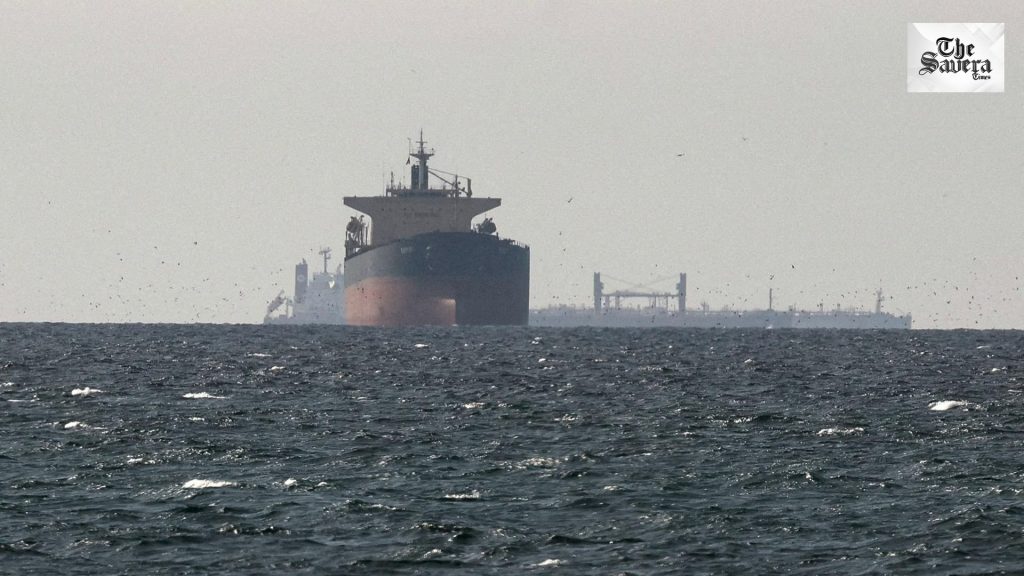
South Korea is in active discussions with Iran and other regional partners to ensure the safe passage of its ships through the Gulf maritime corridor, a crucial route for global energy trade. This step comes amid heightened geopolitical tensions in the Persian Gulf region, which is a key route for transporting oil and liquefied natural gas worldwide. The Gulf corridor is particularly important for South Korea, which depends heavily on imports of crude oil and LNG to meet domestic energy demand and sustain its industrial sectors. Ensuring uninterrupted shipping is vital for both economic stability and energy security.
Coordination and Security Measures
Officials said South Korea is working with Iran to develop protocols for safe navigation, prevent potential conflicts and monitor shipping activity in the region. Maritime experts emphasize that nearly one-fifth of the world’s oil passes through this waterway making it a strategic chokepoint for international trade. The discussions aim to avoid disruptions, maintain stable energy supplies and strengthen regional cooperation on maritime security.
Economic and Strategic Implications
Any threat to shipping in the Gulf could raise energy costs globally and disrupt trade. By engaging with Iran and other Gulf stakeholders, South Korea seeks to safeguard its energy imports, ensure the smooth operation of commercial vessels and maintain strong economic links with the region. This initiative highlights South Korea’s proactive diplomatic approach to global energy security while navigating complex geopolitical dynamics in the Middle East.
The move underscores the strategic importance of the Gulf maritime corridor and South Korea’s reliance on it for energy and trade. It also reflects a broader effort to strengthen regional cooperation and protect international shipping lanes amid political tensions.