


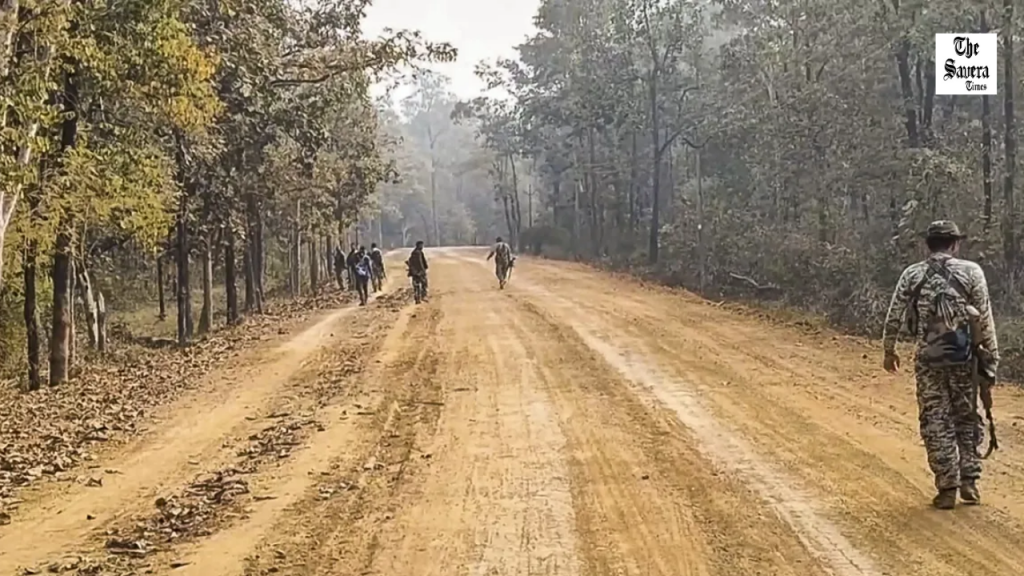
In a significant development in Chhattisgarh’s fight against left-wing extremism, 29 Naxal cadres surrendered before security forces in Sukma district, laying down their arms after sustained anti-Naxal operations. This marks one of the largest group surrenders in recent months, highlighting the impact of intensified security measures and persuasion efforts by the state government and police.
Security Forces’ Strategic Push
Officials say that joint operations by Chhattisgarh Police, District Reserve Guard (DRG), and central forces have applied pressure on Naxal strongholds in the dense forests of Sukma and neighbouring areas. The improved coordination of intelligence and area domination activities is believed to have created an environment where many cadres see surrender as a safer alternative.
Rehabilitation and Reintegration Plans
According to police officials, the surrendered Naxal members will be processed as per government rehabilitation schemes, which include vocational training, financial aid, and social support to help them reintegrate into mainstream society. The Chhattisgarh government has often emphasised that surrender is followed by opportunities for education, skills training, and employment.
Senior Officials Applaud the Move
Senior state officials and police officers have welcomed the surrender, calling it a positive sign of weakening extremist influence in the Bastar region. They said that persistent operations, community engagement and livelihood promotion initiatives are encouraging cadres to abandon violence and return to civilian life.
Strategic Importance of Sukma
Sukma district has long been considered a key stronghold of Naxal activities within the Bastar division, frequently witnessing ambushes, extortion, and attacks on security forces. A breakthrough in this district is seen as a boost to the broader anti-Naxal campaign in Chhattisgarh and neighbouring states.
Political and Public Reaction
Political leaders across party lines have hailed the surrender as a victory for democracy and rule of law. Local communities, who have borne the brunt of extremist violence for decades, have expressed relief and hope that peace and development will gain greater ground with the declining influence of outlawed groups.
What Happens Next
The surrendered cadres will be taken to designated police camps for debriefing and verification before being enrolled in rehabilitation programmes. Authorities have reiterated that those willing to return to normal life will receive all possible support, while strict action will continue against those engaged in violent activities.
Conclusion
The surrender of 29 Naxal militants in Sukma is being viewed as a significant milestone in Chhattisgarh’s internal security efforts. With sustained pressure from security forces and expanded government outreach initiatives, the state hopes to further diminish insurgent influence and pave the way for lasting peace and development in previously conflict-ridden regions.