


In March, a heartbreaking news came from
Ghaziabad, Uttar Pradesh: a four-year-old girl
was raped and denied treatment in her critical
condition, ultimately leading to her death. The
case involved the accused luring the girl with the
promise of chocolates, raping her, and then fleeing.
Upon searching, the family found her in a critical
condition, covered in blood. The family took her to
two private hospitals for treatment, but they refused
to treat her, citing a lack of proper medical facilities
and asked them to take her elsewhere. Unable to bear
the pain of her injuries, the girl died.
Supreme Court Chief Justice Surya Kant and his
bench strongly criticized such doctors, stating, “The
girl was poor and her family could not afford the
fees, so she was refused treatment. This is a shame
on humanity.” The Supreme Court also stated that
doctors who cannot fulfill their responsibilities have
no right to be called doctors. The Honorable Court
directed the Uttar Pradesh government, the SHO of the
concerned police station, and the two private hospitals
that refused treatment.
Similarly, news keeps coming every day that if
someone dies in a hospital due to inability to pay
their bills, their body is not handed over until the
family pays. In such cases, the Punjab government
has enacted a strict rule that no private hospital can
withhold a body for non-payment of the bill. The
Punjab government and the State Human Rights
Commission have clearly stated that withholding a
body is a violation of human rights and against the
dignity of the deceased. The Supreme Court’s strong
criticism of such behavior by doctors and the Punjab
government’s enactment of rules in favor of patients
exemplify a humanitarian approach. Ironically, even
to teach humanity today, the Supreme Court has to
reprimand or the government has to enact laws
Supreme Court Teaches Responsibility
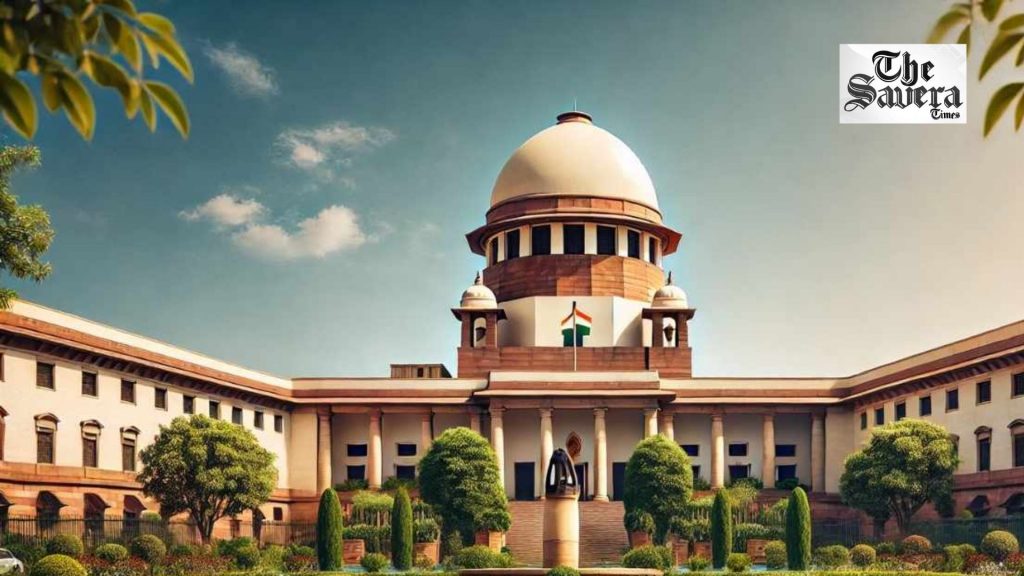
Supreme Court Teaches Responsibility: Why Its Observations Matter