


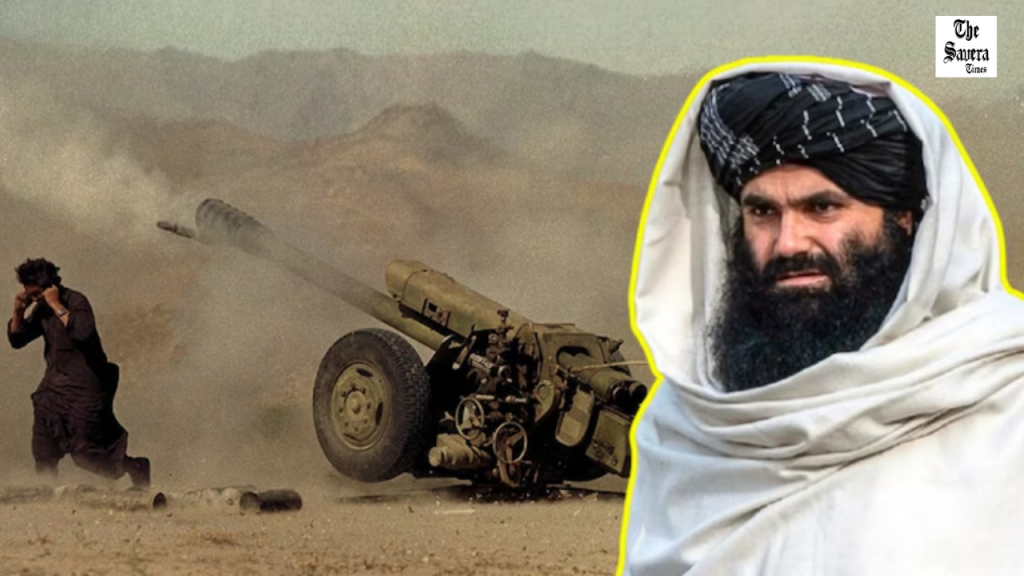
The Taliban regime in Afghanistan has triggered widespread criticism after introducing a new criminal procedure code that reportedly divides society into four distinct classes, granting special legal protection to mullahs, effectively making them “untouchable” under the law.
Four-Class Social Structure Introduced
According to reports, the new legal framework categorizes Afghan society into four groups, placing religious clerics (mullahs) at the top. This structure determines how individuals are treated within the judicial system, raising serious concerns over equality before law.
Legal Shield for Mullahs
Under the revised rules, mullahs enjoy enhanced legal immunity, making it difficult to investigate, arrest, or prosecute them without special approval. Critics say this creates a parallel justice system that favors religious elites.
Human Rights Groups Alarmed
International human rights organizations and legal experts have condemned the move, warning that the policy institutionalizes discrimination, undermines basic legal principles, and further erodes civil rights in Afghanistan.
Impact on Afghan Society
Analysts fear the new system will deepen social divisions, marginalize ordinary citizens, and weaken public trust in the justice system. Women and minority communities are expected to be the worst affected under the Taliban’s rigid interpretation of law.
Global Reaction Mounts
The development has drawn sharp reactions from global observers, who view it as another step backward for Afghanistan since the Taliban returned to power, tightening control through religious dominance rather than rule of law.