


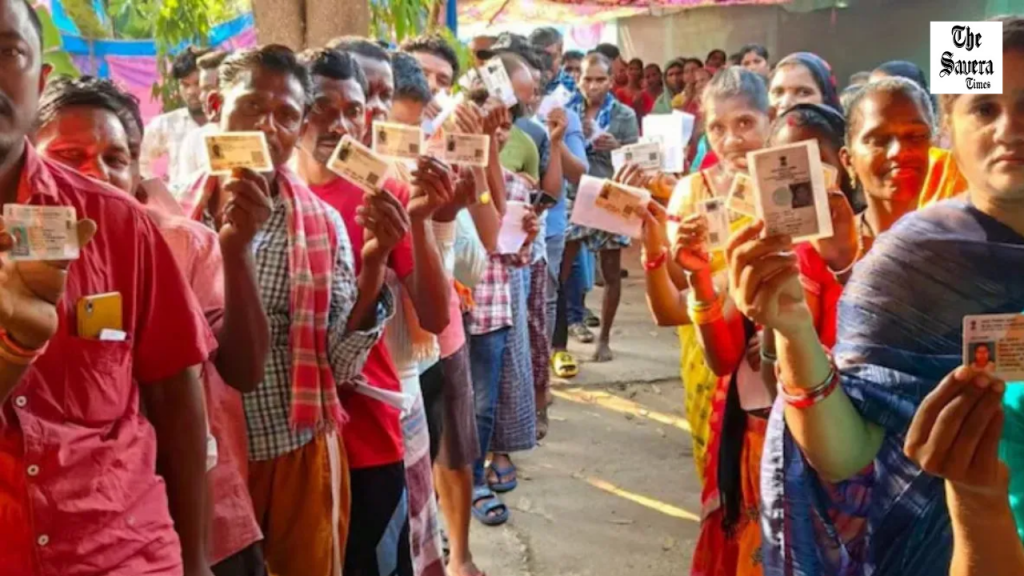
The final electoral roll for Tamil Nadu has been officially released following three years of the Special Intensive Revision (SIR) process conducted across the state ahead of the upcoming Assembly elections. The Chief Electoral Officer (CEO) of Tamil Nadu, Archana Patnaik, unveiled the updated voter list on February 23, 2026, after the SIR was carried out from October 27, 2025, to February 23, 2026, in compliance with directives from the Election Commission of India (ECI). As per the final roll, the state now has 5.67 crore registered electors, reflecting a substantial revision of the voter base to ensure accuracy and completeness ahead of polls.
The voter revision was part of a larger nationwide exercise that also covered other poll-bound states. The SIR aimed to remove ineligible entries including duplicate registrations, deceased persons, and those who have shifted out while also including new and first-time electors.
Huge Cleanup: Names Removed and Added
During the exercise, the state’s electoral roll was significantly cleaned up, with 74,07,207 names deleted from the voter list of 6,41,14,587 electors as on October 27, 2025. After the initial draft publication in December 2025 and the period for claims and objections, 27.53 lakh people were added back to the list upon verification, and 4.23 lakh ineligible names were further deleted in the final roll. The net effect of the revisions brought the state’s final electorate to 5,67,07,380 voters.
The voter list reflects a slightly higher proportion of female electors (2.89 crore) compared with male electors (2.77 crore), along with 7,617 third-gender voters. The revised roll also accounts for 12.51 lakh young first-time voters (ages 18–19), 4.63 lakh persons with disabilities, and nearly 4 lakh senior citizens aged 85 and above demographic data that will inform planning for election logistics and facilities across constituencies.
Why Names Were Removed
The extensive revision leading to millions of deletions was designed to improve the integrity of the electoral roll and ensure that only eligible voters are included. The deletions largely occurred due to categories such as:
-
Deceased persons
-
Duplicates or multiple registrations
-
Electors who have shifted permanently
-
Untraceable voters or entries with conflicting details
The ECI and CEO’s office ensured that eligible residents whose names were initially removed could submit claims and objections within prescribed timeframes, after which proper documentation restored valid entries to the final list.
Implications Ahead of Assembly Elections
Tamil Nadu is set to hold its Assembly elections in March–April 2026, alongside other states including Kerala, West Bengal, Assam and the Union Territory of Puducherry. The release of the final electoral roll following one of the most rigorous SIR exercises in recent history is a key step in preparing for polling, ensuring that electoral data is updated, accurate and reflective of current demographic realities.
Electoral authorities have made the final roll accessible for public verification through official websites and CEO offices and have advised voters to check their registration status ahead of voting dates. Those whose names remain unlisted or incorrect are allowed to approach designated District Election Officers or Booth Level Officers (BLOs) for further assistance in the upcoming window for corrections.
Reactions and Administrative Notes
While the SIR exercise is broadly seen as a necessary cleanup of the voter database, it has been met with mixed reactions from political parties and civil society groups. Some stakeholders have welcomed the deletion of outdated or invalid entries, while others have raised concerns about eligible voters being removed due to administrative errors or procedural lapses during enumeration. Such debates continue as election season gains pace.
The CEO’s press briefing also emphasized that continuous updates and revisions of the electoral roll will be carried out even after final publication, in line with legal mandates and to accommodate changes such as new 18-year-old electors or movements of residents within the state.