


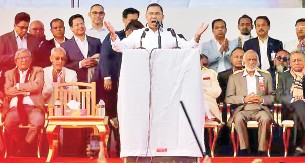
Tarique Rahman’s return to Bangladesh marks a significant moment in South Asian politics, not just for Dhaka but for New Delhi as well. His arrival after years in exile isn’t simply a personal homecoming. It carries implications for Bangladesh’s internal balance of power and how India navigates its relationship with a key neighbor.
Rahman is a central figure in the Bangladesh Nationalist Party (BNP), a party that has long been a major rival to the ruling Awami League. His time abroad has been tied to legal troubles and political turmoil back home. For years, the BNP grappled with leadership gaps and strategic setbacks, with Rahman’s absence symbolising both internal divisions and the challenges faced by opposition forces in Bangladesh’s often turbulent political landscape.
His return changes the dynamics. For the BNP, Rahman’s presence is a shot in the arm. It gives the party a rallying point and renewed credibility among supporters who have been waiting for a clear, unifying leader. That, in turn, could shift the balance in a political environment where competition is intense and public trust is volatile. It signals a potential resurgence of the BNP as a viable force capable of contesting elections and influencing national policy debates.
For India, observing these developments closely is not surprising. Bangladesh is a neighbor with deep historical ties, extensive economic linkages, and shared security concerns. Any shift in Dhaka’s political landscape naturally catches New Delhi’s attention. Stable governance in Bangladesh is in India’s interest, given the mutual challenges both countries face, from border management to economic cooperation.
Rahman’s return could mean a more competitive political climate in Dhaka, and that carries both opportunities and challenges for India. A strong opposition could push the government toward policies that are more inclusive and responsive to public sentiment. But heightened political contests also risk increased instability, particularly if tensions escalate between rival parties or lead to street protests and confrontations.
India’s approach will likely be pragmatic. It would aim to maintain steady ties with Bangladesh’s current government while also engaging with emerging political voices, including the BNP under Rahman’s leadership. New Delhi has to balance its interests carefully, supporting democratic processes without appearing to meddle in internal affairs.