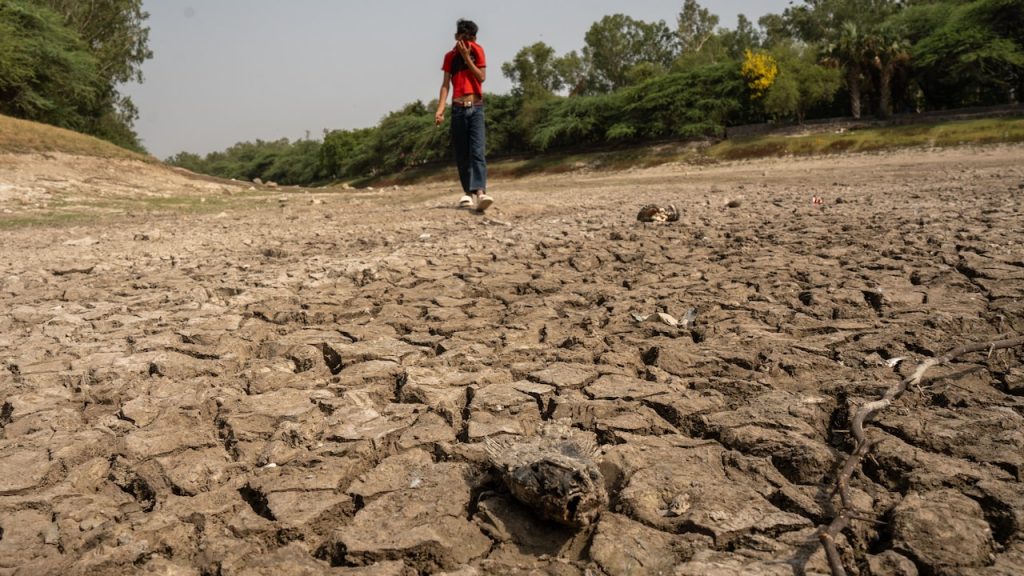
More than half of September has passed, and the monsoon is about to depart. This year, the threat of a supersized El Niño over Asia resulted in 15 percent less rainfall in India, making it the driest monsoon in 17 years. The Meteorological Department’s forecasts also proved inaccurate. The Meteorological Department had estimated an 8 percent decrease in rainfall, but the rainfall was 15 percent less. The previous such weak monsoon in India was in 2009, when rainfall was 18 percent less than normal. Sometimes, heavy rains occur in the final days of the monsoon season, making up for the shortfall, but this time, even that did not happen. In some parts of the country, September has already seen up to 50 percent less rainfall. The monsoon provides 70 percent of India’s annual rainfall. Rainfall remained weak in September as well, which will not only affect the Rabi season but also the Kharif season. Food prices may rise, and inflation may take a serious turn. There was talk of breaking the crop cycle, but now this low rainfall is also affecting crops like pulses, lentils, cotton, and maize. We have data till September 18th. The Indian Agriculture Ministry says that due to the weak monsoon, the sowing of Kharif crops has decreased by 15.5 percent in hectare area compared to last year. Paddy has been the most affected, with a reduced sowing. Uttar Pradesh has seen a 4 percent decrease in rainfall in India. Himachal Pradesh has seen a 9 percent decrease in rainfall this year. The plight of Punjab and Haryana is also well known. This reduced rainfall will impact the regular procurement of wheat and paddy stocks. If procurement is reduced, how will subsidized grain be distributed among the country’s more than 800 million people? This could present a significant problem for the government. So how can we talk about an agricultural revolution and self-reliance in farming in India? We can’t survive without distributing cheap grain stocks to the poor, and the government, along with announcing national progress, is constantly extending the period for cheap grain distribution. If the weather suddenly becomes a villain amidst the government’s compassionate announcements, and the government finds its own warehouses empty, how will we fulfill our dream of becoming the world’s third-largest economic power in such a situation?
The Driest Monsoon in 17 Years