


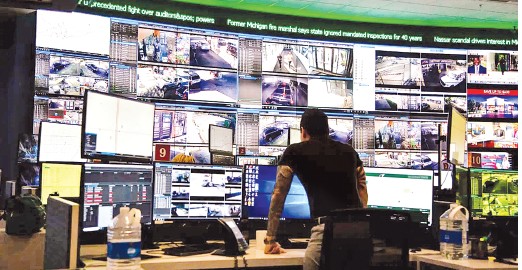
Surveillance is no longer confined to intelligence agencies or high-security zones. It has quietly entered everyday life—through cameras on street corners, biometric databases, smartphone apps, and digital transactions. While often justified in the name of security and efficiency, the expanding reach of surveillance raises urgent questions about privacy, consent, and power.
In cities and towns alike, closed-circuit television cameras have multiplied rapidly. Markets, schools, public transport, and even residential neighbourhoods are monitored around the clock. Facial recognition systems, once the stuff of science fiction, are increasingly being tested or deployed. Citizens are being watched, often without clear knowledge of how data is stored, used, or shared.
Governments argue that surveillance deters crime, improves law enforcement response, and enhances public safety. In some cases, it does. Cameras have helped identify suspects and reconstruct events after crimes. However, effectiveness is rarely matched with accountability. Oversight mechanisms remain weak, and misuse often goes unchecked.
Digital surveillance extends far beyond physical cameras. Smartphones generate continuous streams of location data. Apps collect personal information, sometimes unrelated to their stated purpose. Social media platforms track behaviour, preferences, and networks. When combined, these data points create detailed profiles that can reveal far more than individuals realise.
The concern is not surveillance alone, but who controls it. In the absence of strong data protection laws, personal information can be accessed by state agencies, private companies, or third parties without meaningful safeguards. Marginalised communities often face disproportionate scrutiny, reinforcing existing inequalities.
Chilling effects on freedom are already visible. When people believe they are constantly monitored, they self-censor. Dissent becomes risky, assembly feels unsafe, and expression is restrained. Surveillance reshapes behaviour not through force, but through fear of being watched.
There is also the issue of consent. Most surveillance systems operate without explicit approval from those being monitored. Citizens rarely have the option to opt out. Transparency reports, if they exist at all, are inaccessible or vague. The result is a democratic deficit where surveillance expands faster than public debate.
Technology itself is not neutral. Algorithms used in surveillance systems can reflect biases present in their design or data. Facial recognition tools have been shown globally to misidentify women and minority groups at higher rates. Errors can lead to wrongful suspicion, harassment, or even detention.
Yet surveillance is often framed as inevitable—a price to be paid for modern living. This framing obscures alternatives. Privacy-conscious design, limited data retention, independent oversight bodies, and clear legal frameworks can balance security with civil liberties. The question is not whether surveillance should exist, but how much, for what purpose, and under whose control.
Public awareness remains limited. Surveillance is invisible when it works smoothly, and its consequences are often abstract until something goes wrong. By then, damage to trust and rights may be difficult to reverse.
As societies become more digitised, the struggle over surveillance will define the future of democracy. A system that watches everyone but answers to no one risks turning citizens into subjects. Protecting privacy is not about hiding wrongdoing—it is about preserving the space to live freely, think independently, and dissent without fear.