


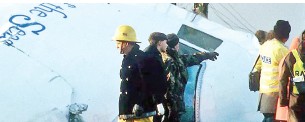
On December 21, 1988, a routine transatlantic flight turned into one of the deadliest terror attacks in modern history when Pan Am Flight 103 exploded over the sleepy Scottish town of Lockerbie, killing 270 people. The Boeing 747, known as Clipper Maid of the Seas, had taken off from London’s Heathrow Airport en route to New York’s JFK and was cruising at about 31,000 feet when a bomb hidden in checked luggage detonated, ripping the aircraft apart mid-air. All 259 passengers and crew onboard died, and 11 residents on the ground were also killed when debris and burning wreckage rained down on homes in Lockerbie.
The disaster created a massive scene of destruction. Pieces of the aircraft scattered over about 845 square miles of countryside, smashing into houses, igniting fires, and leaving a deep crater where parts of the jet struck Sherwood Crescent, a residential street. The impact was so forceful it registered as a minor seismic event. Emergency services and local volunteers worked through freezing winter darkness to recover bodies and clear wreckage, while fire brigades battled blazes sparked by jet fuel and ruptured gas lines.
The victims came from 21 countries, with Americans making up the largest group. Among them were 35 students from Syracuse University, returning home for the holidays after a semester abroad. For the small community of Lockerbie, the attack was unimaginably traumatic: quiet streets were transformed into disaster zones almost instantly, and the psychological scars lingered for decades.
What followed was one of the most extensive joint investigations in British and American history. Police and FBI teams sifted through tons of wreckage and thousands of pieces of evidence. They identified that the bomb was concealed inside a radio cassette player in a Samsonite suitcase and traced the explosive timer fragments back to suspects linked to Libyan intelligence.
In 1991, Scottish prosecutors, with support from the United States, issued criminal charges against two Libyan nationals, Abdelbaset al-Megrahi and Lamin Khalifa Fhimah. After negotiations and UN sanctions, Libya handed the suspects over for trial under Scottish law in the Netherlands. In 2001, al-Megrahi was convicted of murder and sentenced to life imprisonment, while Fhimah was acquitted. The bombing had far-reaching diplomatic consequences. In 2003, Libya formally accepted responsibility and agreed to pay compensation to the victims’ families, though it stopped short of a full admission of guilt, drawing criticism from many who had lost loved ones. The attack devastated Pan American World Airways, which went bankrupt a few years later, and reshaped global aviation security, leading to stricter baggage screening and international cooperation on counter-terrorism.
Decades on, Lockerbie’s legacy is still felt. Memorials stand where wreckage fell, and annual remembrance events honour the victims. Families and survivors have continued to seek answers and justice, even as new legal actions and forensic breakthroughs occasionally bring renewed attention to the attack. For the residents of Lockerbie, the tragedy remains a defining moment that welded their quiet town forever into global memory