


Dr Tanu jain
Chief executive officer, Bareilly cantonment board, Ministry of defence
It was a quiet Monday morning when a deeply meaningful conversation unfolded—one of those rare exchanges that gently shake something within you. A soul connection, someone who understands without needing explanations, called me. There was a pause, and then a question—simple, yet layered: “Do you know what the new food is?”
Knowing her discipline, her mindful choices, her commitment to health, I assumed it must be something nourishing—perhaps a superfood, something ancient yet rediscovered, something that fuels the body and heals from within. My mind wandered through possibilities—chia seeds, millets, herbs, detox diets. After all, we live in an age obsessed with “healthy living,” constantly chasing the next miracle food.
But she gently interrupted my thoughts. “No,” she said, “not that kind of food.”
Then she described it.
A kind of food that begins with your eyes. Something your hands cannot resist reaching for. Something you don’t know how to start or stop consuming. It keeps you hooked—through the day, and often deep into the night. It fills your mind, consumes your attention, and yet leaves you strangely empty.
And then she said it—“It’s social media.”
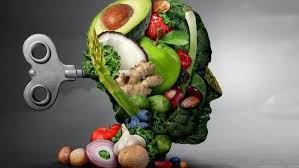
In that moment, silence spoke louder than words.What we once used as a tool has now become a habit. What was meant to connect has slowly started to distance. What was designed to inform now overwhelms. Endless scrolling has quietly become the new consumption—our “brain food.” But unlike nourishing food, this one drains more than it gives.
“We are overfed, yet undernourished,” someone once said—and it feels truer than ever.
The hazards are subtle, yet deep-rooted. It begins with time—minutes turning into hours, hours into sleepless nights. Our minds, constantly stimulated, forget how to rest. The brain, bombarded with information, loses clarity. Headaches, anxiety, and a constant sense of restlessness begin to creep in.
Then come the emotional shifts.
We start comparing lives—highlight reels of others against the quiet reality of our own. Bonds become distant, conversations become shorter, and presence becomes fragmented. We are physically present, yet mentally elsewhere.
“The greatest irony of our times is that we are more connected than ever, yet feel more alone than ever.”
Relationships suffer in silence. Meals are shared with screens, not with people. Moments are captured for posting, not for living. And somewhere along the way, we forget how to simply be.
The mind, just like the body, needs mindful consumption. What we feed it shapes our thoughts, our emotions, our energy. And today, unknowingly, we are feeding it noise—constant, unfiltered, endless noise.
So what is the way forward?
The answer, as she said, is simple—yet requires discipline: reduce screen time.
Not as a punishment, but as a return to self.
Set gentle boundaries. Begin with small pauses—no phone during meals, no scrolling before sleep, no immediate reach for the screen upon waking. Create spaces in your day where your mind can breathe.
Reconnect with real experiences. Read a book. Sit in silence. Take a walk without headphones. Speak to someone—not through messages, but through presence.
“Almost everything will work again if you unplug it for a few minutes… including you.”
And perhaps most importantly, become aware. Awareness itself is powerful. The moment you notice the habit, you have already taken the first step toward change.
This new “brain food” may be tempting, addictive, and easily available—but we must ask ourselves: Is it nourishing us, or depleting us?
Because true nourishment does not leave you restless. It does not steal your sleep. It does not distance your relationships.
True nourishment grounds you. It calms you. It connects you—first to yourself, and then to the world around you.
And maybe, just maybe, the real shift begins the moment we choose to look up—from our screens, and into life.