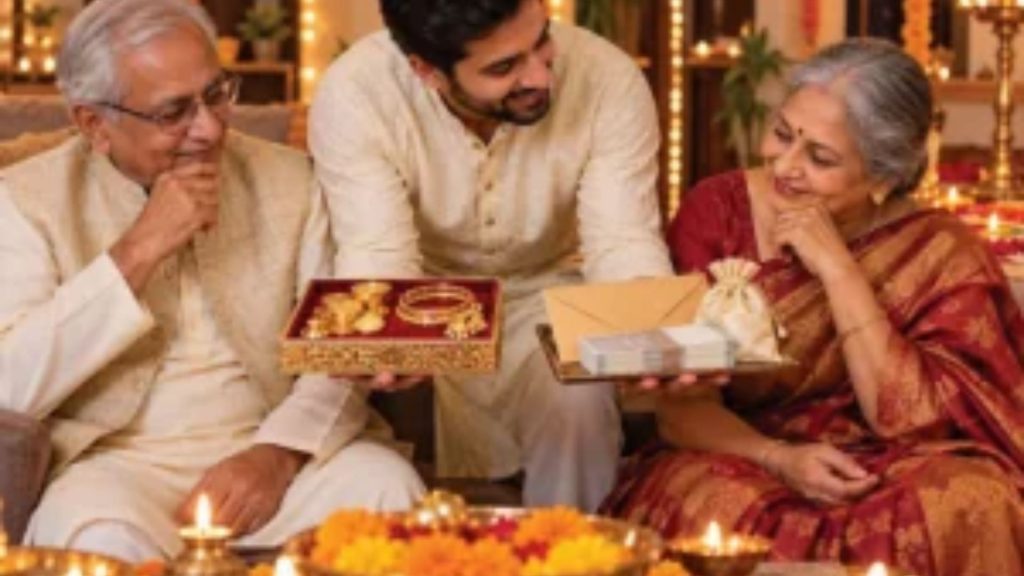
We plan our savings, insure our possessions and invest for the years ahead. Yet the habits that determine how we will live those years often receive the least attention. A missed meal becomes routine, inadequate sleep becomes a sign of a busy life, and a medical check-up is postponed until discomfort becomes difficult to ignore. Dhanteras offers an opportunity to reconsider these priorities. The festival holds special significance for Ayurveda as it commemorates the appearance of Lord Dhanvantari, revered as the divine physician and associated with the origin of Ayurveda. His emergence during the Samudra Manthan, carrying the Amrit Kalash, represents humanity’s enduring aspiration for health and longevity. This association gives Dhanteras a meaning beyond the purchase of gold, silver or household possessions. It reminds us that prosperity becomes meaningful when we have the health to experience it and share it with those we love. As someone entrusted with responsibilities in both Ayush and Health & Family Welfare, I recognize the importance of this message in our everyday lives. Our healthcare conversations often begin when illness has already arrived. We discuss hospitals, medicines and treatment, all of which are essential. But an equally important conversation must begin much earlier, in our kitchens, daily routines, workplaces and homes. What if we gave prevention the same attention that we give treatment? This question lies at the heart of Ayurveda approach to health. Its emphasis on Swasthasya Swasthya Rakshanam, the preservation of health in a healthy individual, remains relevant to contemporary public health. It reminds us that health is influenced by what we eat, how we sleep, how physically active we remain and how consistently we care for ourselves. At a time when non-communicable diseases, sedentary lifestyles and stress present growing challenges, preventive healthcare deserves greater attention. Consider something as ordinary as a family meal. It is an opportunity to encourage healthier eating habits among children and ensure that older family members receive the care they need. Similarly, a daily walk, regular Yoga practice or a consistent sleep schedule may appear modest, yet these habits can make a meaningful difference when sustained over time. The strength of preventive healthcare often lies in such simple, everyday choices. India’s Ayush systems have an important role in advancing this culture of prevention and wellbeing. Through initiatives such as Ayushman Arogya Mandirs (Ayush), efforts are underway to expand access to Ayushbased healthcare services at the community level. Scientific research, quality standards and evidence-informed practice are equally important to ensuring that India’s traditional medical knowledge contributes responsibly to contemporary healthcare. However, no healthcare initiative can fully succeed without the participation of families and communities. A healthier India cannot be built through institutions alone. It must also be built through the choices people make each day. As India moves towards the centenary of its independence in 2047, our vision of a developed nation must include citizens who are healthier, more aware and better equipped to prevent avoidable illness. This is where the spirit of Dhanteras can inspire meaningful change. We often associate the festival with bringing something new into our homes. This year, why not bring home a new habit? A commitment to eat more mindfully, practise Yoga regularly, prioritise sleep or encourage a family member to undergo an overdue health screening.
The One Investment Every Family Must Make This Dhanteras