


For decades, convenience has shaped how people treat everyday objects. When something broke, replacing it was often easier than fixing it. Recently, however, a quiet shift has begun. Repair culture—once seen as outdated or impractical—is slowly returning to homes, workshops, and communities.
Repair culture is built on the idea that objects have value beyond their initial use. Instead of discarding damaged items, people are learning to mend, restore, and maintain them. From stitching torn clothes to fixing appliances, repair is regaining respect as a practical skill rather than a last resort.
Several factors are driving this change. Rising costs have made frequent replacements less appealing. Many people now think twice before throwing away items that can be repaired at a fraction of the cost. This practical motivation has encouraged individuals to relearn basic skills that were once common across generations.
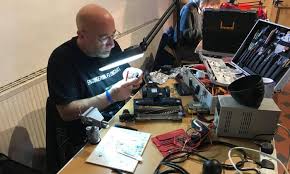
Workshops and repair cafés have emerged in cities and small towns alike. These community-led spaces bring people together to fix items with the help of volunteers or skilled technicians. Beyond repair, they offer learning opportunities and social interaction. Participants often describe these spaces as collaborative rather than transactional.Repair culture also reflects a growing awareness of waste. Everyday items, especially electronics and clothing, contribute significantly to landfill accumulation. Repairing extends an object’s life and reduces unnecessary consumption. While not everyone frames repair as an environmental action, the outcome supports more responsible use of resources.
Clothing repair has seen a noticeable revival. Simple practices such as patching, altering, or reinforcing garments are gaining popularity. Visible mending—where repairs are intentionally highlighted—has become a creative expression rather than something to hide. This approach challenges the idea that perfection defines value.Technology has played an unexpected role in promoting repair. Online tutorials, forums, and videos make learning accessible. People can now follow step-by-step guides to fix everything from kitchen appliances to bicycles. This digital support has lowered the barrier for beginners and reduced dependence on professional services.
There is also a sense of satisfaction associated with repair. Fixing an object creates a personal connection that replacement rarely offers. The process encourages patience, problem-solving, and attention to detail. Many people find repair calming, describing it as a break from fast-paced digital routines.Older generations often recognize repair as a familiar practice, while younger people see it as a skill worth acquiring. This overlap has created opportunities for knowledge sharing across age groups. Repair becomes not just a task, but a conversation between experiences.
Businesses are beginning to respond as well. Some brands now offer repair services or design products that are easier to fix. While this approach is still limited, it reflects changing consumer expectations around durability and responsibility. Repair culture does not reject modern convenience; it questions unnecessary disposal. It encourages thoughtful ownership and mindful use. In a world that moves quickly, repair slows things down, asking people to look at what they already have before seeking something new. The return of repair culture is not loud or dramatic. It happens quietly—in homes, community spaces, and small acts of care. Yet, its impact is meaningful. By choosing repair over replacement, people are redefining