


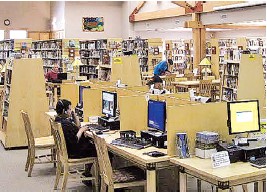
In an age dominated by digital media, libraries across South Asia are experiencing a quiet revival. No longer limited to shelves of books, these spaces have evolved into vibrant community centers that promote learning, creativity, and connection across generations.
Modern libraries are adapting to changing needs by offering digital access, workshops, and interactive programs. Visitors can attend reading sessions, skill-training classes, and cultural discussions alongside traditional study. For students, libraries provide safe and focused environments that support academic growth.
Public libraries play a vital role in bridging information gaps. Free access to books, newspapers, and digital resources ensures that learning remains inclusive. In many communities, libraries serve as the first point of contact with technology, helping individuals develop digital literacy and confidence. Libraries are also becoming cultural hubs. Storytelling sessions, poetry readings, and local history exhibitions celebrate heritage and encourage creative expression. These events strengthen community identity and foster appreciation for shared narratives.
One of the most encouraging aspects of this revival is youth involvement. Young volunteers help manage collections, organize activities, and introduce innovative programs. Their participation keeps libraries dynamic while nurturing leadership and civic responsibility.
Libraries also promote social connection. People from different backgrounds gather in a shared space dedicated to knowledge and curiosity. This interaction builds mutual respect and understanding, reinforcing the library’s role as a democratic institution.
The renewed importance of libraries reflects a deeper appreciation for thoughtful learning. In a fast-paced world, they offer spaces for reflection, dialogue, and discovery. By evolving with community needs, libraries continue to inspire lifelong learning and collective growth