


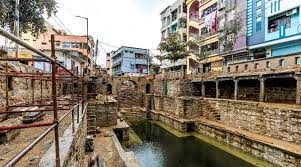
Across India, cities with bustling streets and modern infrastructure conceal traces of their watery past. Ancient canals, once essential for irrigation, transport, and drainage, have been neglected, filled, or converted into roads over centuries. However, a quiet revival is underway, as urban planners, environmentalists, and local communities recognize the potential of these waterways to restore ecological balance, preserve heritage, and improve urban life.
In Varanasi, canals that once carried pilgrims and trade goods are being slowly uncovered and restored. Beyond their historical significance, these water channels help manage floods and recharge groundwater. Similarly, in Jaipur, city authorities are exploring ways to restore small canals and ponds that once irrigated gardens and agricultural land on the outskirts. Kochi, in Kerala, is experimenting with a combined heritage and environmental approach, cleaning old canals to improve drainage and support tourism.
Restoring canals is not just a matter of digging and cleaning. It involves careful planning, ecological rehabilitation, and community engagement. Urban waterways have suffered from encroachment, pollution, and mismanagement, turning them into sources of health hazards. Experts emphasize integrating canals with urban planning, ensuring that they become functional and aesthetically valuable. Strategies include creating walkways along canals, planting native vegetation to absorb pollutants, and developing local markets that complement, rather than obstruct, water flow.
The environmental benefits of reviving canals are significant. Urban waterways reduce flood risk by channeling stormwater, recharge groundwater, and support biodiversity by providing habitats for fish, birds, and aquatic plants.