


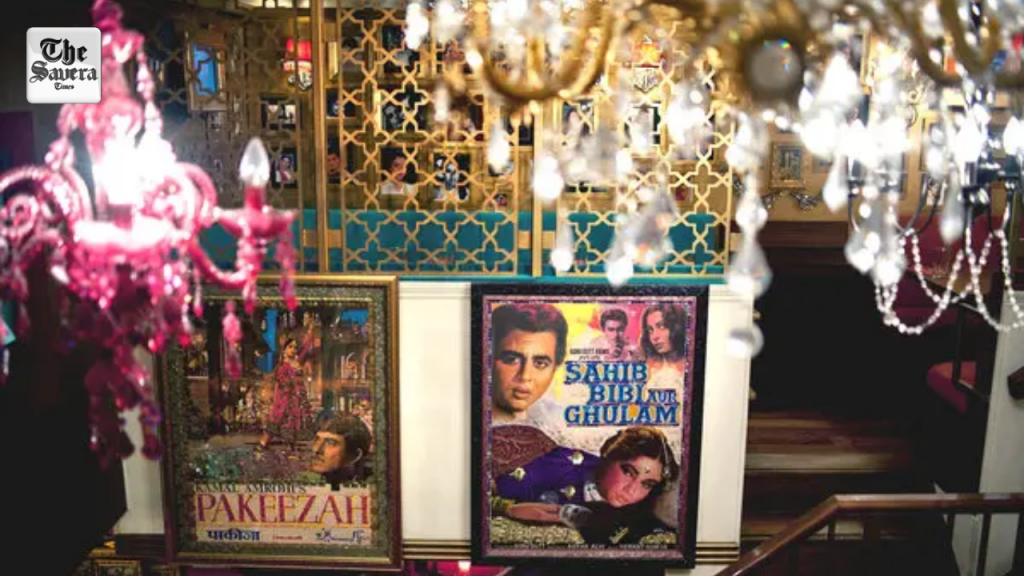
New Delhi: In India’s urban dining scene, restaurants are increasingly transforming into cultural spaces by blending food with art. From rotating exhibitions to live installations, eateries are becoming immersive hubs where meals are paired with creativity.
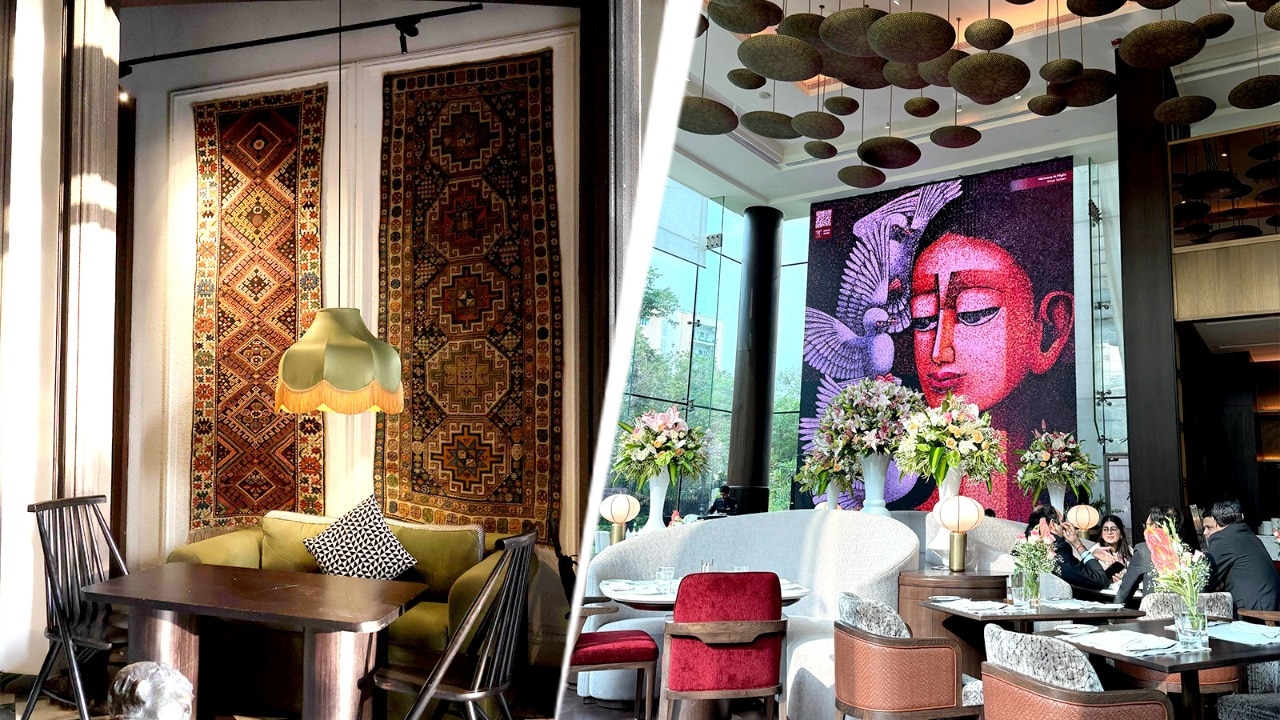

This hybrid model reflects shifting consumer behavior, space challenges, and the growing demand for accessible art.
Experiential Dining on the Rise
Millennials and Gen Z crave more than just a good meal—they want experiences that engage all senses. Post-pandemic, “experiential dining” has surged, with art adding emotional depth and conversation starters to meals.
/elle-india/media/media_files/2025/05/10/7CLizBRCMDCQbbDdvTAv.jpg)

Restaurants like Burma Burma, Arts Room (Delhi), and Camp Kharu (Ladakh) let diners enjoy gourmet fare while surrounded by works from artists such as Shrikant Kadam and Seema Kohli. Some venues, like Mumbai’s NMACC Arts Café, curate art to mirror the richness of the menu, turning meals into cultural events.
Smart Use of Space in Crowded Cities
With real estate at a premium in metros, restaurants double up as galleries, making efficient use of existing walls, tabletops, and even digital screens. Delhi’s Arts Room lets diners purchase artworks via QR codes, while Camp Kharu’s two-storey café doubles as an exhibition hall.
Developers and hotel chains, including The Leela and Ambrosia Hospitality, are tapping into this model, bringing art from elite galleries into everyday dining spaces.
Democratizing Art and Supporting Talent
Traditionally confined to exclusive galleries, art is now more accessible through restaurants. By hosting affordable exhibitions, eateries attract younger, first-time buyers and casual diners who might not visit a gallery.
Emerging artists and students also benefit, gaining low-cost display opportunities and exposure to a wider audience. In Hyderabad, collaborations with art colleges rotate student work every few months, creating a steady platform for new talent.
Branding, Storytelling, and Social Media Edge
For restaurants, art is a branding tool in a crowded market. Murals, installations, and cultural artifacts enhance authenticity and create “Instagram-worthy” spaces. Burma Burma, for example, ties its Burmese-Indian fusion cuisine to curated artifacts, while other venues integrate NFTs or AR experiences to attract tech-savvy diners.
These elements extend beyond décor—venues also host jewelry pop-ups, DJ sets, or art talks, reinforcing the idea that “everything tells a story.”
The Road Ahead
Challenges remain—curating quality art requires expertise, and not every venue strikes the right balance between aesthetics and dining. Still, with India’s art market booming and cultural curiosity rising even in tier-2 cities, more restaurants are likely to adopt this model.
In the future, eating out may mean not just savoring a curry but also stepping into a gallery—where art and appetite meet.