


~Abhishek Vij
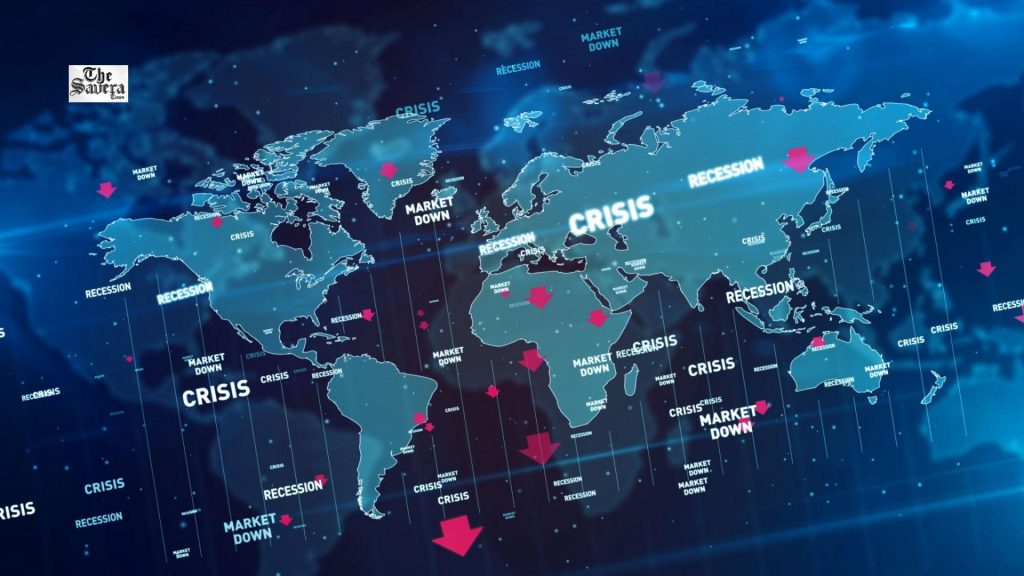
International experts, assessing the global economic system, have concluded that powerful countries like the United States and Russia, constantly engaged in futile wars, have ruined their own economies. By reckless spending in the war against Iran, the United States has incurred inflation and the anger of its people. This resulted in Trump’s defeat in the US midterm elections. Similarly, Russia has been embroiled in a prolonged war with Ukraine, which has also suffered economic turmoil there. The availability of essential goods has decreased. Reports indicate that not only the United States and Russia, but also prosperous countries like Britain, France, Italy, China, and Japan are reeling under record debt. The US federal debt has exceeded ₹4739.20 trillion, representing approximately 120% of the size of its economy. This has increased the economic burden of the Treasury bonds issued by the US, France, and Japan to borrow from the IMF. This means that these wealthy countries, which previously provided grants and loans to poor countries with open arms, have now begun to withdraw their support. This is why these countries are reluctant to contribute their share in the fight against environmental pollution. Poor third-world countries either borrow from the IMF or receive grants and loans from wealthy countries. Now, as the situation has worsened, the IMF has tightened its lending conditions, while these countries have also ended their lending generosity. Meanwhile, the United Nations Conference on Trade and Development (UNCTAD) figures are shocking. Fifty-one countries, home to 3.7 billion poor people, are being forced to repay their debts or interest payments. The plight of these countries has worsened. They are paying this interest by borrowing more money than the budget allocated for health and education for their citizens. Although India also has a heavy interest burden, countries like Pakistan are on the verge of bankruptcy. The World Bank provides these countries with cheap loans for development. These countries are spending this money to repay the interest to private lending institutions. Therefore, welfare expenditure in backward countries has decreased and the debt burden has become more burdensome. China is doing the most recovery. In the 2010s, China distributed huge loans to neighboring countries, but now, after the economic situation has turned around, it is insisting on recovering the old money. African and neighboring countries have taken a lot of loans from China. They want relief in payments, but China is not ready for it. The plight of the common man in these backward countries will remain dire. The situation has changed even in wealthy countries. These countries have now stopped providing welfare loans to backward countries, but the private lending institutions of the mega-capitalists are also changing their approach to lending to these countries. They prefer to lend at higher rates to investors from countries with weaker economies than these. Ivory Coast, Kenya, and Nigeria are on their list, where they charge interest rates of more than 7.5 percent. The ongoing wars have thus changed the entire economic landscape. Not only has the economic health of wealthy countries deteriorated, but backward countries are also beginning to suffer the ill effects of debt