


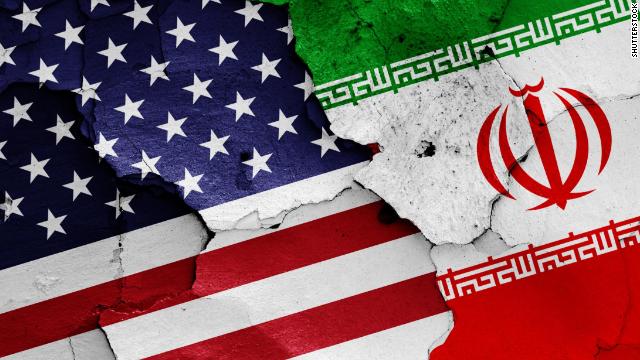
In Western Asia, the specter of a devastating war involving the United States, Israel, and Iran remains very much alive. Israel, too, is causing tremors daily through attacks— sometimes targeting Lebanon, and at other times, Iran. The situation at the Strait of Hormuz is such that Iran has imposed a strict blockade there; container ships and cargo vessels are being prevented from passing through.
Since the outbreak of hostilities, 15 Indian cargo ships have managed to navigate through the strait and return to India. Clearly, this volume falls far short of meeting our actual requirements. Consequently, Prime Minister Modi’s current slogans emphasize reducing the consumption of oil and gas, as well as shifting consumer behavior. From the Prime Minister down to other cabinet ministers, leaders have scaled back the size of their security motorcades.
In New Delhi, ministers and Members of Parliament (MPs) are increasingly being spotted commuting by bicycle, metro, or bus. This situation has provided political leaders with an opportunity to demonstrate that they genuinely care about the nation and the common citizen. However, these concerns will only be fully alleviated once the supply of crude oil, natural gas, and fertilizers is restored to a smooth flow following the reopening of the Strait of Hormuz.
At present, the likelihood of this happening appears slim. Neither the United States nor Iran seems genuinely committed to resolving the conflict; instead, they remain locked in a cycle of exchanging threats and counterthreats. Whenever Iran rejects a draft proposal outlining the terms for a settlement, Trump promptly dispatches a revised version. Most recently, he has sent yet another proposal—a five-point plan—to Iran. The crux of the matter is this: the conflict could be brought to an end if Iran were to hand over its uranium stockpile to the United States.
The ostensible pretext being cited is that, in order to maintain regional stability, Iran cannot be permitted to develop a nuclear weapon. However, refusing to display any sign of weakness, Iran remains defiant and resolute; indeed, its state-controlled media is currently propagating the message that every Iranian citizen—from ordinary individuals to soldiers—is undergoing training to operate weaponry ranging from artillery cannons to machine guns. Meanwhile, Trump continues to issue threats, effectively delivering an ultimatum: “Comply with our demands, or we will obliterate you.”
The latest reports indicate that two American drones, operating at high altitudes, have been shot down. This incident took place in western Saudi Arabia. Iran denies any involvement in the matter; however, it is also evident that—amidst ceasefires and diplomatic exchanges—the United States and Iran are making full preparations for war. Netanyahu, too, remains focused on strengthening Israel. Israel has not halted its military operations for even a single day, as it perceives a conflict in West Asia to be in its own interest.