


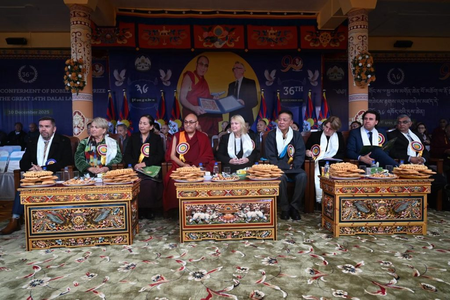
The Tibetan government-in-exile has reiterated its call for China to reconsider policies in Tibet and move toward a peaceful resolution of the decades-long Sino-Tibetan conflict. In a recent statement, officials described current Chinese measures as “destructive,” highlighting their impact on Tibetan society, culture, and religious freedoms. The exiled leadership emphasized that Tibetans seek dialogue, not confrontation, and expressed hope that Beijing may choose a path of constructive engagement rather than repression.
The statement comes amid ongoing concerns over restrictions on Tibetan religious practices, cultural expression, and civil liberties. Leaders of the Central Tibetan Administration (CTA) stressed that meaningful dialogue is the only way to ensure a peaceful and sustainable solution, benefiting both the Tibetan people and regional stability.
Concerns Over Destructive Policies
The CTA highlighted a range of Chinese policies they say have undermined Tibetan identity. These include strict controls on religious institutions, limitations on freedom of movement, forced assimilation through state-run education, and restrictions on Tibetan language and cultural practices. Officials also pointed to environmental harm caused by large-scale infrastructure projects, including mining and dam construction, which have disrupted local ecosystems and traditional livelihoods.
Tibetan leaders condemned these measures as violations of basic human rights and urged Beijing to adopt policies that respect the dignity, heritage, and aspirations of Tibetan communities. They emphasized that preserving Tibetan culture and religion is critical not only for the people of Tibet but also for global cultural diversity.
Middle Way Approach and Autonomy
Reaffirming the Middle Way Approach, the Tibetan government-in-exile clarified that their demand is not for full independence but for genuine autonomy within the framework of Chinese sovereignty. This autonomy would allow Tibetans to manage their cultural, educational, religious, linguistic, and environmental affairs, while maintaining territorial integrity. Officials stressed that peaceful negotiation and dialogue are central to their strategy, rejecting violent or confrontational measures.
International Appeal and Hope for Diplomacy
The exiled government also appealed to the international community for support in achieving a peaceful settlement. They called on global leaders, humanitarian organizations, and human rights advocates to press China for constructive engagement with Tibetan representatives.
Tibetan officials expressed hope that world attention on Tibet’s cultural legacy and the challenges faced by its people would encourage diplomatic solutions. They stressed that international solidarity, dialogue, and advocacy are essential to ensuring that Tibet’s unique heritage and human rights are preserved for future generations.