


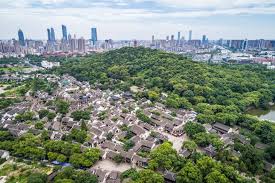
Urbanization in India has accelerated rapidly, bringing economic growth and modern infrastructure, but also environmental and social challenges. Recognizing the need for sustainable development, Indian cities are increasingly investing in green spaces, parks, and urban forests, improving the quality of life for millions.
Cities such as Bengaluru, Pune, and Chandigarh are at the forefront of this transformation. Urban parks, botanical gardens, and rooftop green initiatives are not only enhancing aesthetics but also reducing pollution, mitigating urban heat, and supporting biodiversity. For instance, the development of Miyawaki forests in urban pockets has demonstrated remarkable success in quickly establishing dense, native vegetation, improving air quality and local ecosystems.
Green spaces also have significant social and health benefits. Parks encourage physical activity, reduce stress, and provide safe environments for children and the elderly. Community gardens and urban farms foster social cohesion, engage citizens in sustainability efforts, and educate the public about environmental stewardship.
Government policies and municipal initiatives are key enablers. The Smart Cities Mission emphasizes sustainable urban planning, including the creation of green belts, pedestrian-friendly zones, and eco-parks. Corporate social responsibility initiatives are also contributing, with companies investing in tree plantation drives, green infrastructure, and biodiversity projects in urban settings.
Technology is enhancing urban greenery efforts. Geographic Information System (GIS) mapping helps identify potential green sites, monitor biodiversity, and plan tree-planting drives efficiently. Drone surveys and mobile applications allow citizens to participate in urban forestry initiatives, report maintenance needs, and contribute to urban environmental planning. Environmental awareness campaigns are further strengthening the green movement. Citizens are encouraged to adopt parks, participate in cleanliness drives, and support biodiversity initiatives. Schools and colleges are actively involved in tree-planting programs, cultivating a culture of sustainability among young generations.
Economically, urban green spaces are increasing property values, attracting tourism, and boosting local businesses. Parks with recreational facilities, walking trails, and cultural activities become hubs for community engagement, enhancing urban vibrancy.
In conclusion, India’s focus on urban green spaces is transforming cities into healthier, more sustainable, and inclusive habitats. By integrating ecology into urban planning, India is demonstrating how growth can coexist with environmental responsibility. Green spaces are not just about beautification—they are essential for resilience, well-being, and the sustainable future of India’s urban population.