


-Abhishek Vij
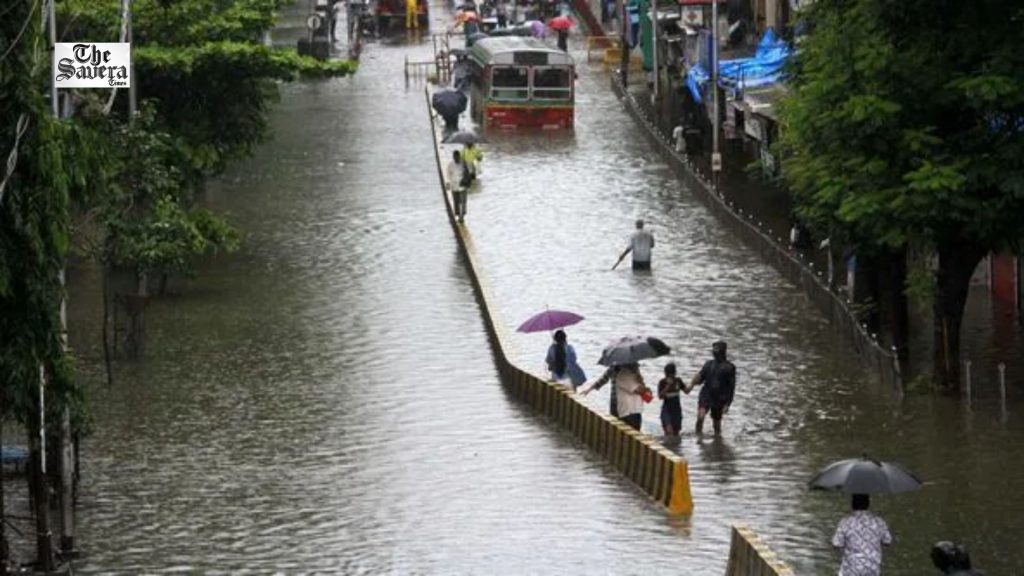
The monsoon is almost gone. Like last year, this highly unbalanced monsoon has brought heavy rains in some areas and droughts in others. While we’ve heard reports of floods in many districts of Uttar Pradesh and Bihar, 37 districts in Uttar Pradesh have received less than average rainfall. Records have been broken in areas where rainfall has occurred, yet neighboring areas are starving. Four districts, including Ghaziabad and Shyamali, have received 60 percent less rainfall, while western Uttar Pradesh has received 16 percent more rainfall.
Eastern Uttar Pradesh has also received 2 percent more rainfall. While there have been reports of torrential rains in many parts of Uttar Pradesh, and cities like Lucknow have been submerged, most districts are experiencing rainfall deficits ranging from 20 to 59 percent. In 2018, the state received 764.8 mm of rainfall, while this year’s rainfall was 38.1 mm more. Western Uttar Pradesh received so much rainfall that it was considered the highest in ten years.
The Meteorological Department is predicting drought in most areas, and now below-normal rainfall is being predicted for most parts of the state in October. This is the state where we saw floods in major cities due to excessive rainfall. Now, let’s turn to Punjab. In the 26 years since 2000, there have been three droughts here, including this year’s.
Punjab recorded 38 percent less rainfall than normal from June to September. This below-normal rainfall reduced the divine bounty and increased farmers’ irrigation needs. As a result, dependence on tube wells increased during the paddy sowing season, and electricity demand also increased. Meteorological Department data shows that Punjab recorded 272.8 mm of rainfall from June to September, compared to the normal 439.8 mm for this period. This year has been called the year with the lowest rainfall in the last 26 years. If we consider the problem of low rainfall seriously, it not only poses a threat to the Kharif crop but also raises concerns for the upcoming Rabi season, in which farmers sow wheat. Low rainfall has affected soil moisture, groundwater recharge, and reservoir replenishment. Therefore, the problem is not limited to today; there is also concern about how to maintain adequate water supplies for agriculture in the future.
Now let’s examine a little reality. This changing weather pattern is due to environmental pollution, global warming. The reason is that we have talked a lot about controlling environmental pollution, even boasting of leading the Third World, yet we look to the rich countries of America and Europe for economic cooperation. These countries have given us the thumbs down, saying, “You have created the current environmental pollution with your industrial pollution because your industrial progress is not pollution-free.” These rich countries consider themselves the pioneers of the digital and AI era and blame this problem on us, asking us to handle it. But who will explain to them that “when the boat sinks, everyone sinks?” The disappearance of seasons is not just a problem of the global South, but of the entire world.