


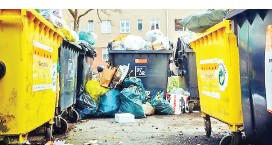
Urban waste management has emerged as one of the most pressing challenges for rapidly growing cities. As consumption increases and urban populations expand, the volume and complexity of waste have risen sharply. Managing this waste sustainably is essential for public health, environmental protection, and the overall quality of urban life.
Household waste forms the largest share of urban solid waste. It includes organic waste, plastics, paper, metals, and hazardous materials such as batteries and electronic waste. Poor segregation at source complicates recycling and increases the burden on landfills. Mixed waste not only reduces the recovery of valuable materials but also leads to environmental contamination through leachate and emissions.
Landfills remain the primary disposal method in many cities, but their limitations are increasingly evident. Overfilled landfills occupy large areas of land and generate methane, a potent greenhouse gas. Fires, foul odours, and groundwater pollution are common problems near dumping sites, affecting nearby communities. Reliance on landfills is neither environmentally sustainable nor socially acceptable in the long term.
Waste segregation and recycling offer viable alternatives. Separating waste at the household level allows organic waste to be composted and recyclable materials to be processed efficiently. Informal waste pickers play a crucial role in recycling systems, recovering materials and reducing landfill volumes. Recognising and integrating these workers into formal waste management frameworks can improve efficiency while providing safer livelihoods.Technology is increasingly shaping waste management practices. Composting units, material recovery facilities, and waste-to-energy plants are being introduced in several cities.
While such technologies can reduce landfill dependence, they must be carefully planned and monitored to avoid environmental and social impacts. Waste reduction at source remains the most effective strategy, as processing waste after generation is often more costly.
Public participation is essential for successful waste management. Awareness campaigns, user-friendly segregation systems, and consistent collection services encourage compliance. When citizens understand the environmental and health consequences of improper waste disposal, behaviour change becomes more achievable.Policy support and governance determine outcomes. Clear regulations, enforcement mechanisms, and adequate funding are required to build and maintain waste infrastructure. Coordination between municipal bodies, private operators, and communities helps ensure accountability and service quality.Urban waste management is not merely a technical issue; it reflects consumption patterns and social responsibility. Cities that prioritise waste reduction, segregation, and recycling can move toward cleaner environments and more sustainable futures.