


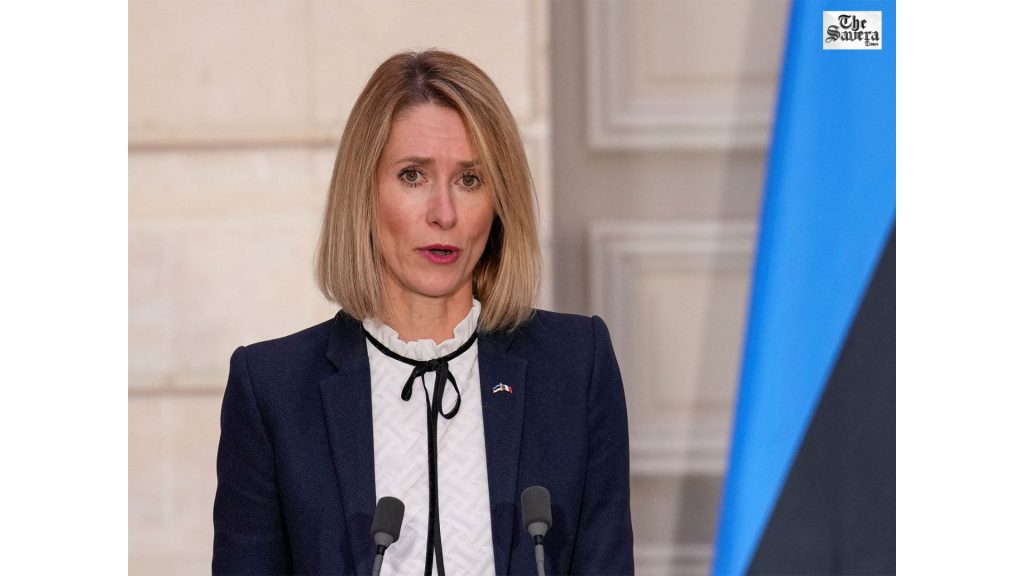
Brussels, Belgium, April 9: Kaja Kallas, the European Union’s Foreign Policy Chief, has said that the ongoing “ceasefire agreement between the United States and Iran should be expanded to include Lebanon” as well. Her statement comes amid growing concern that continued violence in the Middle East, especially in Lebanon could undermine the fragile truce.
The current ceasefire between the US and Iran is limited in scope and does not officially include Lebanon. US officials have clarified that the agreement focuses mainly on direct tensions involving Iran and its immediate conflict dynamics, leaving out the situation involving Hezbollah in Lebanon. However, confusion remains as some mediators initially suggested that Lebanon could be part of the broader understanding.
Ongoing Violence Raises Concerns
Kallas warned that continued military action especially Israeli strikes targeting Hezbollah could put the ceasefire at risk. Recent attacks in Lebanon have resulted in heavy casualties and rising tensions in the region. The EU fears that if the violence spreads, it could derail diplomatic efforts and trigger a wider regional conflict.
Call for Stability and Disarmament
Kallas also stressed the need for stability in Lebanon, urging that armed groups like Hezbollah should move toward disarmament as part of long-term peace efforts. European leaders believe that without addressing the Lebanon front, any ceasefire between the US and Iran may remain incomplete and unstable
The situation highlights the complexity of Middle East conflicts, where multiple actors and regions are interconnected. Even if major powers agree to a ceasefire, ongoing violence in places like Lebanon can quickly undo progress. The EU’s push reflects a broader concern: lasting peace in the region requires a more comprehensive approach, not limited to just two countries.