


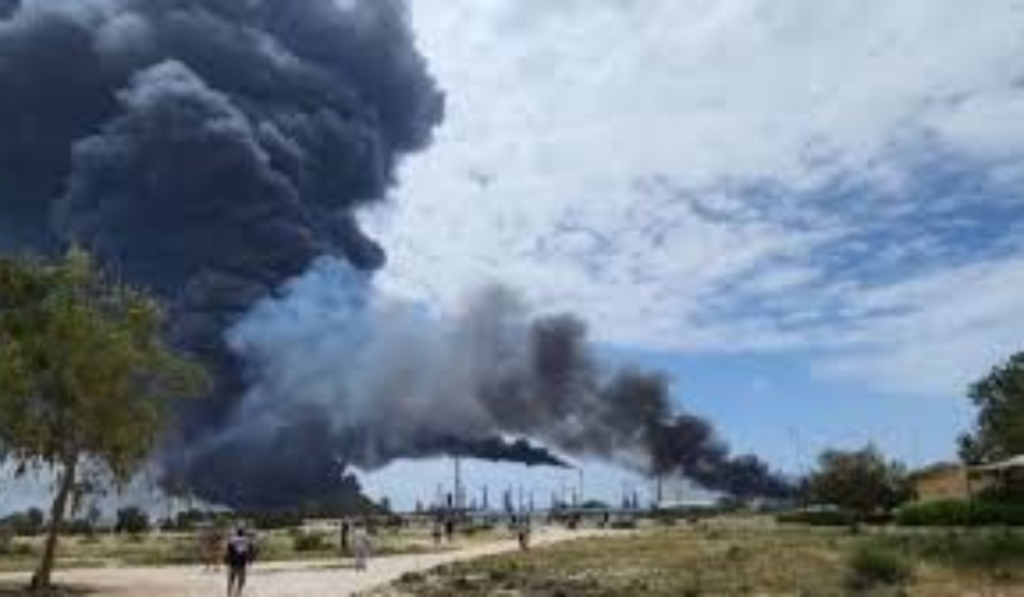
Kuwait: In a major escalation despite the announcement of a temporary ceasefire, Iran reportedly launched attacks targeting Kuwait and the United Arab Emirates within hours of the truce being declared. The developments have raised serious concerns over the effectiveness and durability of the ceasefire agreement in the volatile Middle East region.
Kuwait Faces Drone Strikes on Key Installations
According to initial reports, Kuwait witnessed a wave of drone attacks aimed at critical infrastructure, including oil facilities, power stations, and water plants. Air defence systems were activated to intercept incoming threats, and emergency protocols were put in place to safeguard key assets.
Authorities indicated that while interceptions were largely successful, the incident underscores the vulnerability of vital infrastructure amid ongoing hostilities.
UAE on Alert Amid Regional Tensions
The United Arab Emirates was also placed on high alert following reports of potential threats in the region. Security agencies intensified surveillance and preparedness measures, with concerns that key economic and energy hubs could be potential targets.
Though details remain limited, the situation has heightened fears of a broader regional spillover.
Ceasefire Under Strain
The ceasefire, announced as a temporary two-week arrangement between the United States and Iran, was intended to de-escalate tensions following a series of strikes on Iranian oil facilities. However, the fresh attacks suggest that the truce remains fragile and may not be fully holding on the ground.
Experts believe that while diplomatic efforts are underway, multiple actors and ongoing retaliatory actions could undermine the ceasefire’s effectiveness.
Concerns Over Global Energy and Security
The renewed hostilities have sparked concerns over global energy supply chains, particularly as the Gulf region remains a critical hub for oil exports. Any disruption in production or transportation could have far-reaching economic consequences worldwide.
The situation also poses a broader security challenge, with fears that continued violations could trigger a larger conflict involving multiple countries in the region.