


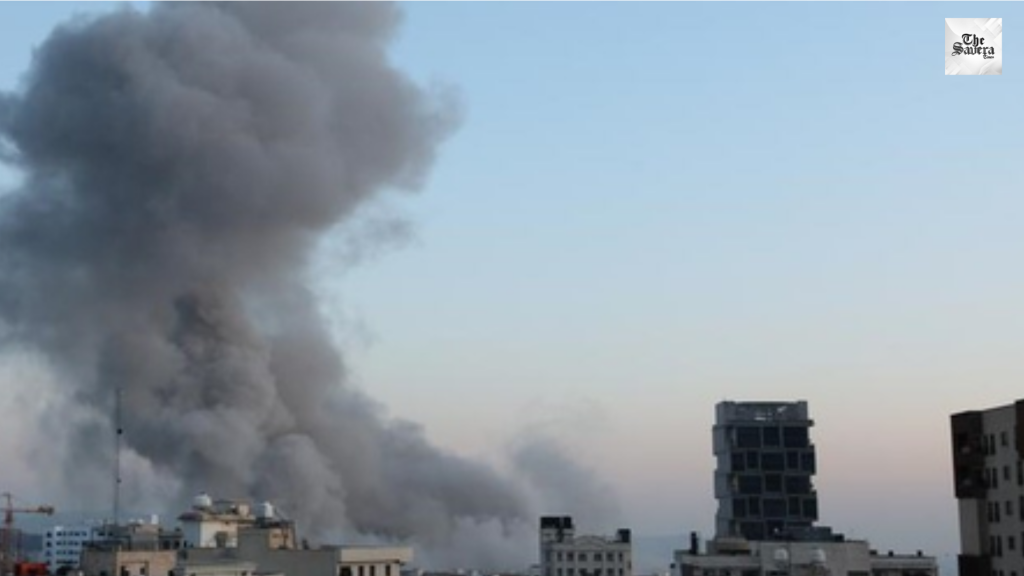
The United States has carried out a series of airstrikes on Iranian missile installations near the strategically critical Strait of Hormuz. The operation marks a significant escalation in tensions between Washington and Tehran.
Focus on Strategic Military Targets
According to defence officials, the strikes were aimed at missile systems believed to threaten international shipping routes. These installations reportedly included underground and fortified sites housing anti-ship missiles along Iran’s southern coastline.
Why the Strait of Hormuz Matters
The Strait of Hormuz is one of the world’s most important maritime chokepoints. A large percentage of global oil shipments passes through this narrow corridor, making any disruption a serious concern for global energy markets.
Advanced Weapons Deployed
Reports suggest that the US used high-impact munitions, including bunker-buster bombs, designed to penetrate hardened underground facilities. The move underscores the seriousness of the perceived threat posed by the missile sites.
Rising Regional Tensions
The strikes come amid growing hostilities between the United States and Iran, with both nations previously engaging in missile and drone exchanges. The situation has increased fears of a broader regional conflict.
Impact on Global Markets
The escalation has already begun affecting global oil prices and shipping security in the Gulf region. Analysts warn that continued instability could disrupt energy supplies and international trade routes.
Warnings of Retaliation
Iran has condemned the strikes and signaled possible retaliation, raising concerns of further military action. Global leaders are urging restraint as the situation continues to evolve.