


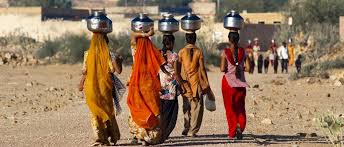
Water scarcity is an urgent concern in India, particularly in semi-arid regions of Rajasthan, Gujarat, and parts of Maharashtra. These areas experience low rainfall, high evaporation rates, and overexploitation of groundwater, leading to recurring droughts and water stress. Agriculture, the main livelihood in these regions, suffers the most, affecting both economic stability and food security.
Traditional water management practices have historically mitigated scarcity. Step wells, johads (small earthen check dams), and rainwater harvesting systems captured and stored seasonal rainfall. However, modernization, urbanization, and population growth have disrupted these practices. Wells have dried, rivers have receded, and water-intensive crops are increasingly unsustainable.
Groundwater depletion is a major challenge. Over 60% of semi-arid districts rely heavily on aquifers, which are declining at alarming rates. Over-extraction for irrigation, domestic consumption, and industrial use has led to falling water tables, salinization, and reduced water quality. Residents often depend on tanker water or long-distance water transport, increasing costs and inequities.
Government interventions aim to address the crisis. Initiatives like watershed development, micro-irrigation programs, and water conservation campaigns have shown results in improving availability. Community-led water management efforts, such as repairing traditional tanks or building check dams, have also proven effective in restoring groundwater levels and ensuring equitable access.
Technology has introduced new solutions. Remote sensing and satellite mapping help identify groundwater depletion zones and plan interventions. Drip irrigation and sprinkler systems reduce water wastage in agriculture. Digital monitoring of water usage allows authorities to track consumption and enforce sustainable practices.
Education and behavioral change are equally important. Encouraging crop diversification, rainwater harvesting at household levels, and water-saving practices can make communities resilient to droughts. Public-private partnerships can facilitate investments in sustainable infrastructure and alternative livelihoods, reducing pressure on scarce resources.
In conclusion, water scarcity in semi-arid regions of India is a multidimensional challenge requiring ecological, technological, and social solutions. Reviving traditional practices, adopting innovative technologies, and fostering community participation can ensure long-term water security.