


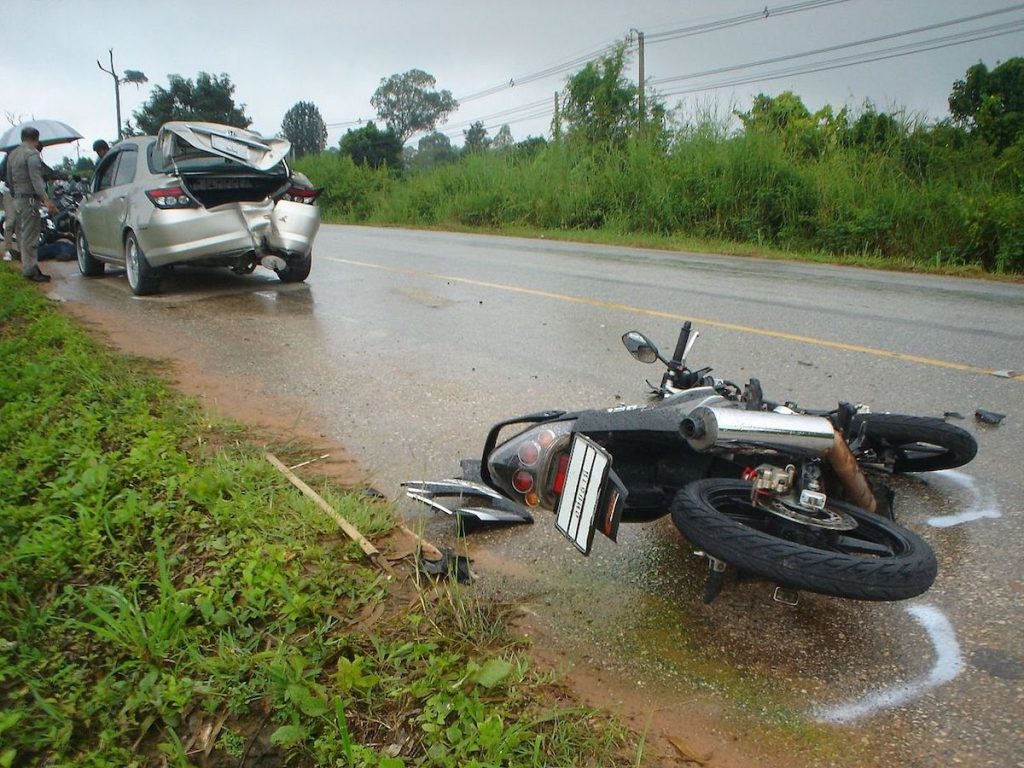
Road traffic deaths worldwide declined by 21 per cent between 2011 and 2025, despite the addition of more than one billion vehicles to the world’s roads, according to the World Health Organization (WHO). However, the WHO South-East Asia Region, which includes India, recorded only a 2 per cent reduction in road fatalities, highlighting uneven progress across the globe.
The WHO South-East Asia Region comprises Bangladesh, Bhutan, the Democratic People’s Republic of Korea, India, Indonesia, Maldives, Myanmar, Nepal, Sri Lanka, Thailand, and Timor-Leste.
Among WHO regions, the European Region recorded the sharpest decline in road deaths, with fatalities falling by 36 per cent, followed by a 15 per cent reduction in the Western Pacific Region. In contrast, road traffic deaths remained unchanged in the Americas and increased by 17 per cent in the African Region.
Despite the overall decline, road crashes continue to claim 1.16 million lives every year, making road traffic injuries the leading cause of death among children and young people aged 5–29 years worldwide.
The latest figures were released as United Nations (UN) member states adopted a new General Assembly Declaration on Road Safety, aimed at accelerating efforts to achieve the Sustainable Development Goal (SDG) of reducing road deaths and serious injuries by 50 per cent by 2030, compared with 2021 levels.
Under the declaration, countries have committed to implementing national road safety strategies with clear targets, timelines and budgets. Governments also pledged to strengthen road safety institutions, improve crash data collection, enforce stricter traffic laws, and ensure that roads, vehicles and infrastructure comply with internationally accepted safety standards.
A central feature of the declaration is the “Safe System” approach, which recognises that human error is unavoidable. It calls for safer road design, improved vehicle safety, lower speed limits, and stronger regulations to minimise the risk of fatal crashes. The framework also encourages greater collaboration among governments, the private sector, civil society and academic institutions.
The WHO warned that changing mobility patterns are creating new safety challenges. The global number of motorcycles has more than tripled since 2011, driven by the rapid growth of ride-hailing and delivery services. Motorcyclists now account for nearly one-third of all road traffic deaths worldwide. According to the agency, wearing a certified motorcycle helmet can reduce the risk of death in a crash by more than six times.
The increasing use of e-scooters, e-bikes and autonomous vehicles has also highlighted the need for updated regulations and uniform safety standards. WHO said it is working with experts and governments to strengthen laws and ensure that emerging transport technologies remain safe for all road users.
In India, 177,177 people lost their lives in road accidents in 2024, according to the Union Ministry of Road Transport and Highways.
Beyond the human cost, road crashes impose a significant economic burden. WHO estimates that road traffic injuries cost most countries around 3 per cent of their Gross Domestic Product (GDP) due to healthcare expenses, lost productivity and the broader social and economic impact on families and communities.
The UN declaration emphasises that safer roads not only save lives but also support healthier, cleaner and more sustainable cities by encouraging walking, cycling and public transport while helping reduce traffic congestion and air pollution.