


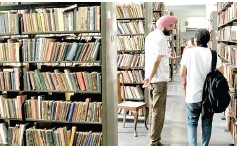
In an era dominated by smartphones, streaming platforms, and algorithm-driven content, public libraries may appear outdated. Rows of quiet shelves feel out of place in a country racing toward digital transformation. Yet across India, public libraries continue to play a quiet but indispensable role—one that deserves renewed attention.
For millions, libraries are not nostalgic spaces but practical ones. In small towns and district headquarters, they remain among the few public institutions that are free, open, and non-judgmental. Students preparing for competitive exams crowd reading rooms each morning. Job seekers browse newspapers for listings that never appear online. Elderly readers return daily, not just for books but for routine, conversation, and continuity.India’s digital divide makes libraries more relevant, not less. While internet access has expanded rapidly, quality access has not. Data costs may be low, but devices, connectivity stability, and digital literacy vary sharply. Libraries bridge this gap by offering shared resources—computers, Wi-Fi, reference material—and, crucially, a structured environment for learning.
Libraries also support forms of reading that screens struggle to replicate. Long-form attention, deep focus, and critical thinking thrive in spaces designed for slowness. In a country where education often prioritises rote learning and test performance, libraries encourage curiosity without pressure. A reader chooses what to explore, how long to stay, and when to return. That autonomy matters.
Beyond education, libraries function as democratic spaces. They are among the few places where people from different backgrounds coexist without transaction. There is no ticket to buy, no obligation to consume. In an increasingly commercial public sphere, this neutrality is powerful. Libraries quietly uphold the idea that knowledge is a public good.
Yet many Indian libraries are struggling. Buildings are poorly maintained, collections outdated, and librarians undertrained or overburdened. Some survive only because of local volunteers or dedicated staff.